
Moving to France is exciting, until you’re handed your first government form.
Most learners know how to introduce themselves, order at a restaurant, or ask for directions. But everyday life in France requires a different kind of French. Renewing a residence permit, opening a bank account, visiting a doctor, signing up for internet service, talking to a landlord, or dealing with a missing package all involve vocabulary and expressions that rarely appear in beginner textbooks.
If you’ve ever stood at a préfecture wondering what a document says or felt nervous making an important phone call in French, you’re not alone. Practical French is one of the biggest challenges new residents face.
This guide brings together 160+ essential French phrases organized around situations you’ll encounter while living in France. You can use it as a reference before an appointment, phone call, errand, or difficult conversation.
Table of Contents
What French Do You Need to Live in France?
To live independently in France, you’ll need practical French for much more than shopping and socializing. Some of the most useful areas include:
| Situation | You’ll Use French For |
|---|---|
| Immigration and administration | Residence permits, appointments, applications, documents |
| Banking | Opening an account, bank details, cards, payments |
| Healthcare | Appointments, symptoms, prescriptions, pharmacies |
| Housing | Renting, repairs, landlords, neighbors |
| Utilities and contracts | Electricity, internet, mobile phones |
| Emergencies | Medical help, police, lost or stolen belongings |
| Deliveries and postal services | Packages, registered mail, missed deliveries |
| Everyday services | Bills, complaints, returns, customer service |
The goal isn’t to memorize every sentence at once. Start with the situations you expect to face soon and build from there.
Why Practical French Can Feel Different from Textbook French
Everyday administrative French can feel difficult even when your conversational French is fairly good.
That’s partly because official and professional situations use fixed expressions and specialized vocabulary. You may know the everyday word for “home,” for example, but then encounter justificatif de domicile (“proof of address”) on a form. You may know how to ask a friend a question but hesitate when speaking politely to an official.
The good news is that these situations are often predictable. The same types of greetings, requests, clarification questions, and polite closings appear again and again.
Instead of trying to learn thousands of unrelated words, focus first on reusable phrases that solve real problems.
Essential French Survival Phrases
These phrases can help in almost any interaction.
| French | English |
| Bonjour Madame. | “Hello, Ma’am.” |
| Bonjour Monsieur. | “Hello, Sir.” |
| Bonsoir. | “Good evening.” |
| S’il vous plaît. | “Please.” |
| Merci. | “Thank you.” |
| Merci beaucoup. | “Thank you very much.” |
| Je vous en prie. | “You’re welcome.” |
| De rien. | “You’re welcome.” |
| Excusez-moi. | “Excuse me.” |
| Excusez-moi de vous déranger. | “Sorry to bother you.” |
| Je suis désolé(e). | “I’m sorry.” |
| Je ne comprends pas. | “I don’t understand.” |
| Pouvez-vous répéter, s’il vous plaît ? | “Can you repeat that, please?” |
| Pouvez-vous parler plus lentement ? | “Can you speak more slowly?” |
| Qu’est-ce que ça veut dire ? | “What does that mean?” |
| Comment ça s’écrit ? | “How do you spell that?” |
| Pouvez-vous m’aider, s’il vous plaît ? | “Can you help me, please?” |
| Je cherche… | “I’m looking for…” |
| Où est-ce que je dois aller ? | “Where do I need to go?” |
| À qui dois-je m’adresser ? | “Who should I speak to?” |
| C’est ici ? | “Is it here?” |
| J’ai une question. | “I have a question.” |
| C’est possible ? | “Is that possible?” |
| Très bien, merci. | “Very good, thank you.” |
| Au revoir. | “Goodbye.” |
| Bonne journée ! | “Have a good day!” |
These basic phrases are especially useful because politeness matters in many French service and administrative interactions.
Immigration and Administrative French
Dealing with a préfecture or another administrative office can be intimidating because the language is formal and document-heavy.
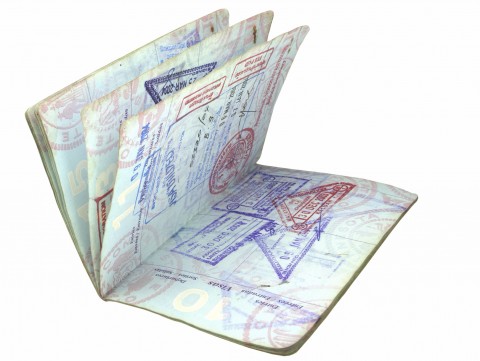
Some useful vocabulary includes:
| French | English |
| un titre de séjour | “residence permit” |
| un rendez-vous | “appointment” |
| un dossier | “file / application” |
| une pièce d’identité | “ID document” |
| un justificatif de domicile | “proof of address” |
| un formulaire | “form” |
| un guichet | “counter / service window” |
| une signature | “signature” |
| un passeport | “passport” |
| un visa | “visa” |
Essential Immigration and Administrative Phrases
| French | English |
| Je suis ici pour mon rendez-vous. | “I’m here for my appointment.” |
| J’ai rendez-vous à 10 heures. | “I have an appointment at 10 o’clock.” |
| Je voudrais prendre rendez-vous. | “I’d like to make an appointment.” |
| Je voudrais modifier mon rendez-vous. | “I’d like to change my appointment.” |
| Je voudrais annuler mon rendez-vous. | “I’d like to cancel my appointment.” |
| Je viens pour renouveler mon titre de séjour. | “I’ve come to renew my residence permit.” |
| Je voudrais demander un premier titre de séjour. | “I’d like to apply for my first residence permit.” |
| Voici mon passeport. | “Here is my passport.” |
| Voici mon visa. | “Here is my visa.” |
| Voici mon dossier. | “Here is my file/application.” |
| Est-ce que mon dossier est complet ? | “Is my application complete?” |
| Quels sont les documents nécessaires ? | “What documents are required?” |
| De quels documents avez-vous besoin ? | “What documents do you need?” |
| Il me manque un document. | “I’m missing a document.” |
| Quel document manque ? | “Which document is missing?” |
| Je peux l’apporter demain ? | “Can I bring it tomorrow?” |
| Est-ce qu’une copie suffit ? | “Is a copy enough?” |
| Vous avez besoin de l’original ? | “Do you need the original?” |
| Où est-ce que je dois signer ? | “Where do I need to sign?” |
| Je dois remplir ce formulaire ? | “Do I need to fill out this form?” |
| Pouvez-vous m’expliquer cette partie ? | “Can you explain this section to me?” |
| Qu’est-ce que je dois écrire ici ? | “What should I write here?” |
| À quel guichet dois-je aller ? | “Which counter should I go to?” |
| Combien de temps faut-il attendre ? | “How long do I need to wait?” |
| Quand est-ce que je recevrai une réponse ? | “When will I receive a response?” |
| Quand aurai-je des nouvelles ? | “When will I hear back?” |
Example Conversation at the Préfecture
Agent: Bonjour Madame/Monsieur, vous avez rendez-vous ?
“Hello, do you have an appointment?”
You: Bonjour, oui, j’ai rendez-vous à 10 heures. Je viens pour renouveler mon titre de séjour.
“Hello, yes, I have an appointment at 10. I’ve come to renew my residence permit.”
Agent: Très bien. Quels documents avez-vous apportés ?
“Very good. What documents have you brought?”
You: Voici mon passeport et mon visa. Est-ce que mon dossier est complet ?
“Here are my passport and visa. Is my application complete?”
Agent: Il vous manque un justificatif de domicile.
“You’re missing proof of address.”
You: Je peux l’apporter demain ?
“Can I bring it tomorrow?”
Agent: Oui, bien sûr.
“Yes, of course.”
You: Merci beaucoup pour votre aide.
“Thank you very much for your help.”
Moving to France and Getting Settled
Your first weeks in France may involve banking, housing, phone service, internet, insurance, paperwork, and plenty of appointments.
The most useful skill is often simply being able to explain what you’re trying to do.
Essential Moving and Setup Phrases
| French | English |
| Je viens d’arriver en France. | “I’ve just arrived in France.” |
| Je viens d’emménager. | “I’ve just moved in.” |
| J’habite ici depuis une semaine. | “I’ve been living here for a week.” |
| Je voudrais m’inscrire. | “I’d like to register.” |
| Je voudrais faire les démarches nécessaires. | “I’d like to complete the necessary procedures.” |
| Où dois-je m’inscrire ? | “Where do I need to register?” |
| Quels documents dois-je apporter ? | “What documents should I bring?” |
| Est-ce que je dois prendre rendez-vous ? | “Do I need to make an appointment?” |
| Je voudrais changer mon adresse. | “I’d like to change my address.” |
| Voici ma nouvelle adresse. | “Here is my new address.” |
| J’ai besoin d’un justificatif. | “I need supporting documentation.” |
| J’ai besoin d’une attestation. | “I need a certificate.” |
| Où puis-je obtenir ce document ? | “Where can I get this document?” |
| Est-ce que je peux faire ça en ligne ? | “Can I do this online?” |
| Je dois envoyer le formulaire où ? | “Where should I send the form?” |
| Quelle est la date limite ? | “What is the deadline?” |
| J’ai reçu cette lettre. | “I received this letter.” |
| Je ne comprends pas ce courrier. | “I don’t understand this letter.” |
| Est-ce que vous pouvez m’expliquer ? | “Can you explain it to me?” |
| Est-ce qu’il y a une version en anglais ? | “Is there an English version?” |
Banking, Utilities, and Contracts
Opening accounts and arranging essential services are some of the first practical conversations you’ll have after moving.

At the Bank
| French | English |
| Je voudrais ouvrir un compte bancaire. | “I’d like to open a bank account.” |
| Quels documents faut-il pour ouvrir un compte ? | “What documents are needed to open an account?” |
| J’ai mon passeport avec moi. | “I have my passport with me.” |
| J’ai un justificatif de domicile. | “I have proof of address.” |
| J’ai besoin d’un RIB. | “I need my bank account details.” |
| Quand est-ce que je recevrai ma carte ? | “When will I receive my card?” |
| Où est-ce que je peux retirer de l’argent ? | “Where can I withdraw money?” |
| Je voudrais faire un virement. | “I’d like to make a bank transfer.” |
| Je voudrais mettre en place un prélèvement automatique. | “I’d like to set up a direct debit.” |
| Il y a un problème avec ma carte. | “There’s a problem with my card.” |
| Ma carte ne fonctionne pas. | “My card isn’t working.” |
| J’ai oublié mon code. | “I forgot my PIN.” |
| Je voudrais bloquer ma carte. | “I’d like to block my card.” |
| Je ne reconnais pas cette opération. | “I don’t recognize this transaction.” |
Example Conversation at the Bank
You: Bonjour, je voudrais ouvrir un compte bancaire, s’il vous plaît.
“Hello, I’d like to open a bank account, please.”
Advisor: Bien sûr. Vous venez d’arriver en France ?
“Of course. Have you just arrived in France?”
You: Oui, je viens d’arriver. De quels documents avez-vous besoin ?
“Yes, I’ve just arrived. What documents do you need?”
Advisor: Un passeport et un justificatif de domicile.
“A passport and proof of address.”
You: J’ai les deux avec moi.
“I have both with me.”
Advisor: Parfait, on peut commencer.
“Perfect, we can get started.”
Electricity, Internet, and Phone Contracts
| French | English |
| Je voudrais souscrire un abonnement. | “I’d like to sign up for a plan.” |
| Je voudrais installer internet chez moi. | “I’d like to have internet installed at home.” |
| J’ai besoin d’une nouvelle ligne. | “I need a new line.” |
| J’emménage dans un nouvel appartement. | “I’m moving into a new apartment.” |
| Quelle est la meilleure offre pour moi ? | “What’s the best offer for me?” |
| Combien coûte l’abonnement par mois ? | “How much is the subscription per month?” |
| Est-ce qu’il y a des frais d’installation ? | “Are there installation fees?” |
| Quand est-ce que le technicien peut venir ? | “When can the technician come?” |
| Est-ce que je dois être chez moi ? | “Do I need to be home?” |
| Je voudrais changer mon forfait. | “I’d like to change my plan.” |
| Je voudrais résilier mon abonnement. | “I’d like to cancel my subscription.” |
| Ma connexion ne fonctionne pas. | “My connection isn’t working.” |
| Internet est coupé. | “The internet is down.” |
| Il y a une erreur sur ma facture. | “There’s an error on my bill.” |
Healthcare and Pharmacy French
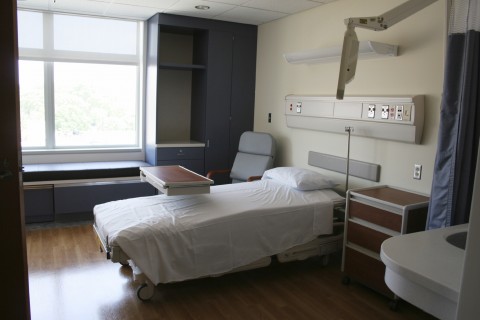
When you’re sick or injured, even simple French can suddenly feel difficult. Learning a few reusable sentence patterns beforehand can make appointments much less stressful.
Essential Healthcare Vocabulary
| French | English |
| un médecin | “doctor” |
| un rendez-vous | “appointment” |
| une ordonnance | “prescription” |
| une pharmacie | “pharmacy” |
| la carte Vitale | “French health insurance card” |
| le numéro de Sécurité sociale | “social security number” |
| la feuille de soins | “healthcare reimbursement form” |
Essential Healthcare Phrases
| French | English |
| Je voudrais prendre rendez-vous avec un médecin. | “I’d like to make an appointment with a doctor.” |
| Avez-vous des disponibilités aujourd’hui ? | “Do you have any availability today?” |
| C’est urgent. | “It’s urgent.” |
| Je ne me sens pas bien. | “I don’t feel well.” |
| J’ai mal ici. | “It hurts here.” |
| J’ai mal à la tête. | “I have a headache.” |
| J’ai mal à la gorge. | “I have a sore throat.” |
| J’ai mal au ventre. | “I have a stomachache.” |
| J’ai de la fièvre. | “I have a fever.” |
| Je tousse beaucoup. | “I’m coughing a lot.” |
| J’ai du mal à respirer. | “I’m having trouble breathing.” |
| J’ai des vertiges. | “I feel dizzy.” |
| Je suis allergique à… | “I’m allergic to…” |
| Je prends ce médicament. | “I take this medication.” |
| Depuis quand ? | “Since when?” |
| Depuis hier. | “Since yesterday.” |
| Ça fait trois jours. | “It’s been three days.” |
| Est-ce que c’est grave ? | “Is it serious?” |
| Qu’est-ce que je dois faire ? | “What should I do?” |
| Quand dois-je revenir ? | “When should I come back?” |
| Voici ma carte Vitale. | “Here is my carte Vitale.” |
| Je n’ai pas encore de carte Vitale. | “I don’t have a carte Vitale yet.” |
| Voici mon numéro de Sécurité sociale. | “Here is my social security number.” |
| Où dois-je envoyer la feuille de soins ? | “Where should I send the healthcare reimbursement form?” |
Example Conversation at a Doctor’s Office
Receptionist: Cabinet du docteur Martin, bonjour.
“Doctor Martin’s office, hello.”
You: Bonjour, je ne me sens pas bien. Avez-vous des disponibilités aujourd’hui ?
“Hello, I don’t feel well. Do you have any availability today?”
Receptionist: Oui, à 15 heures. Ça vous convient ?
“Yes, at 3 p.m. Does that work for you?”
You: Oui, parfait. J’ai mal à la gorge et j’ai de la fièvre.
“Yes, perfect. I have a sore throat and a fever.”
At the Pharmacy
| French | English |
| Je voudrais quelque chose pour le rhume. | “I’d like something for a cold.” |
| Je voudrais quelque chose pour la toux. | “I’d like something for a cough.” |
| Avez-vous quelque chose contre la douleur ? | “Do you have something for pain?” |
| Est-ce qu’il faut une ordonnance ? | “Do I need a prescription?” |
| C’est sans ordonnance ? | “Is it available without a prescription?” |
| Combien de fois par jour ? | “How many times a day?” |
| Je dois le prendre avec de la nourriture ? | “Should I take it with food?” |
| Est-ce qu’il y a des effets secondaires ? | “Are there any side effects?” |
| Je suis allergique à ce médicament. | “I’m allergic to this medication.” |
| Où est la pharmacie la plus proche ? | “Where is the nearest pharmacy?” |
Emergencies, Police, and Customer Service
In an emergency, clear, simple language matters more than complicated grammar.
Emergency and Police Phrases
| French | English |
| Au secours ! | “Help!” |
| J’ai besoin d’aide. | “I need help.” |
| C’est une urgence. | “It’s an emergency.” |
| Appelez une ambulance ! | “Call an ambulance!” |
| Appelez la police ! | “Call the police!” |
| Appelez les pompiers ! | “Call the fire department!” |
| Quelqu’un est blessé. | “Someone is injured.” |
| Je suis blessé(e). | “I’m injured.” |
| Je me suis perdu(e). | “I’m lost.” |
| J’ai perdu mon portefeuille. | “I lost my wallet.” |
| J’ai perdu mon téléphone. | “I lost my phone.” |
| On m’a volé mon sac. | “My bag was stolen.” |
| On m’a volé mon portefeuille. | “My wallet was stolen.” |
| Je voudrais signaler un vol. | “I’d like to report a theft.” |
| Je voudrais signaler la perte de mon portefeuille. | “I’d like to report my lost wallet.” |
| Où est le commissariat le plus proche ? | “Where is the nearest police station?” |
| Je ne sais pas exactement où c’est arrivé. | “I don’t know exactly where it happened.” |
| Ça s’est passé hier soir. | “It happened last night.” |
| Est-ce que quelqu’un parle anglais ? | “Does anyone speak English?” |
| Pouvez-vous appeler quelqu’un pour m’aider ? | “Can you call someone to help me?” |
Customer Service Problems
| French | English |
| Bonjour, j’appelle concernant ma facture. | “Hello, I’m calling about my bill.” |
| Il y a une erreur sur ma facture. | “There’s an error on my bill.” |
| Je pense qu’il y a un problème. | “I think there’s a problem.” |
| Ce n’est pas ce que j’ai commandé. | “This isn’t what I ordered.” |
| Mon colis n’est pas arrivé. | “My package hasn’t arrived.” |
| Le produit est cassé. | “The product is broken.” |
| Ça ne fonctionne pas. | “It doesn’t work.” |
| Je voudrais faire un échange. | “I’d like to make an exchange.” |
| Je voudrais être remboursé(e). | “I’d like a refund.” |
| Pouvez-vous m’aider à résoudre ce problème ? | “Can you help me solve this problem?” |
| Que dois-je faire maintenant ? | “What should I do now?” |
| À qui dois-je parler ? | “Who should I speak to?” |
Housing, Repairs, and Neighbors
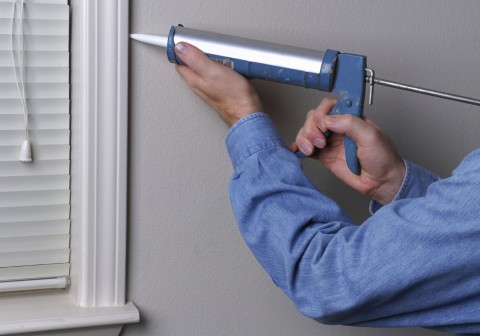
Once you’ve found somewhere to live, you’ll need French for rent, repairs, deliveries, apartment rules, and communication with landlords or neighbors.
Essential Housing Vocabulary
| French | English |
| le bail | “lease” |
| l’état des lieux | “inventory / condition report” |
| le dépôt de garantie | “security deposit” |
| le loyer | “rent” |
| les charges | “building fees / charges” |
| le propriétaire | “landlord / owner” |
| le locataire / la locataire | “tenant” |
| le voisin / la voisine | “neighbor” |
| une attestation d’hébergement | “proof of accommodation / hosting certificate” |
Housing and Repair Phrases
| French | English |
| Je voudrais visiter l’appartement. | “I’d like to see the apartment.” |
| L’appartement est toujours disponible ? | “Is the apartment still available?” |
| Quel est le montant du loyer ? | “How much is the rent?” |
| Les charges sont comprises ? | “Are the charges included?” |
| Quel est le montant du dépôt de garantie ? | “How much is the security deposit?” |
| Quand est-ce que le loyer est dû ? | “When is the rent due?” |
| Avez-vous bien reçu le loyer ? | “Did you receive the rent?” |
| Je viens d’emménager. | “I’ve just moved in.” |
| Il y a un problème dans mon appartement. | “There’s a problem in my apartment.” |
| Le chauffage ne marche pas. | “The heating isn’t working.” |
| La douche ne fonctionne plus. | “The shower isn’t working anymore.” |
| Il y a une fuite d’eau. | “There’s a water leak.” |
| Il y a une fuite d’eau dans la cuisine. | “There’s a water leak in the kitchen.” |
| Le wifi ne fonctionne pas. | “The Wi-Fi isn’t working.” |
| La porte ne ferme pas correctement. | “The door doesn’t close properly.” |
| J’ai perdu mes clés. | “I’ve lost my keys.” |
| Pouvez-vous envoyer quelqu’un ? | “Can you send someone?” |
| Quand pouvez-vous envoyer quelqu’un ? | “When can you send someone?” |
| Quand pouvez-vous venir réparer ? | “When can you come to fix it?” |
| Est-ce que je dois être présent(e) ? | “Do I need to be there?” |
| Le problème est urgent. | “The problem is urgent.” |
| Merci de me tenir au courant. | “Please keep me updated.” |
| Pourriez-vous me faire une attestation d’hébergement, s’il vous plaît ? | “Could you provide me with a proof-of-accommodation letter, please?” |
Talking to Neighbors
| French | English |
| Bonjour, je suis votre nouveau voisin / votre nouvelle voisine. | “Hello, I’m your new neighbor.” |
| Je viens d’emménager à côté. | “I’ve just moved in next door.” |
| Enchanté(e). | “Nice to meet you.” |
| Excusez-moi de vous déranger. | “Sorry to bother you.” |
| Votre musique est un peu forte. | “Your music is a little loud.” |
| Pourriez-vous baisser un peu le volume ? | “Could you turn the volume down a little?” |
| Pourrions-nous en discuter calmement ? | “Could we discuss this calmly?” |
| Merci de votre compréhension. | “Thank you for understanding.” |
Post Office, Deliveries, and Everyday Services
These short phrases are useful for errands you’ll repeat throughout the year.

At the Post Office and for Deliveries
| French | English |
| Je viens chercher un colis. | “I’m here to pick up a package.” |
| J’ai reçu un avis de passage. | “I received a delivery notice.” |
| Voici ma pièce d’identité. | “Here is my ID.” |
| Je voudrais envoyer cette lettre. | “I’d like to send this letter.” |
| Je voudrais envoyer cette lettre en recommandé. | “I’d like to send this letter by registered mail.” |
| Je voudrais envoyer ce colis. | “I’d like to send this package.” |
| Combien ça coûte ? | “How much does it cost?” |
| Combien ça coûte pour envoyer ce paquet aux États-Unis ? | “How much does it cost to send this package to the United States?” |
| Combien de temps ça prend ? | “How long does it take?” |
| Est-ce qu’il y a un numéro de suivi ? | “Is there a tracking number?” |
| Mon colis n’est toujours pas arrivé. | “My package still hasn’t arrived.” |
| Où est mon colis ? | “Where is my package?” |
| Est-ce que vous pouvez vérifier ? | “Can you check?” |
| Je voudrais reprogrammer la livraison. | “I’d like to reschedule the delivery.” |
| Pouvez-vous le laisser chez mon voisin ? | “Can you leave it with my neighbor?” |
| Pouvez-vous le laisser à l’accueil ? | “Can you leave it at reception?” |
Everyday Shopping and Service Phrases
| French | English |
| Je cherche ceci. | “I’m looking for this.” |
| Vous avez ça dans une autre taille ? | “Do you have this in another size?” |
| Vous avez ça dans une autre couleur ? | “Do you have this in another color?” |
| Combien ça coûte ? | “How much is it?” |
| Je peux payer par carte ? | “Can I pay by card?” |
| Vous acceptez les espèces ? | “Do you accept cash?” |
| Je voudrais un reçu, s’il vous plaît. | “I’d like a receipt, please.” |
| Je peux retourner cet article ? | “Can I return this item?” |
| Je peux l’échanger ? | “Can I exchange it?” |
| Il y a un problème avec cet article. | “There’s a problem with this item.” |
| Je voudrais parler à quelqu’un du service client. | “I’d like to speak to someone in customer service.” |
| Pouvez-vous vérifier ma réservation ? | “Can you check my reservation?” |
This guide contains well over 160 useful French phrases and expressions, without counting the vocabulary entries separately.
French Politeness and Formality in Everyday Life
One of the most important habits to develop in France is knowing when to use vous rather than tu.
In administrative, medical, professional, and most service situations, vous is the safest default. You’ll see that pattern throughout the dialogues above.
A simple interaction often follows this pattern:
1. Greeting:
Bonjour Madame / Bonjour Monsieur.
2. Request:
Je voudrais… (“I’d like…”)
3. Clarification if necessary:
Pouvez-vous m’expliquer ? (“Can you explain it to me?”)
4. Thanks:
Merci beaucoup.
5. Closing:
Bonne journée !
You don’t need extremely formal or elaborate French. A polite greeting, vous, a clear request, and a thank-you will take you a long way.
For another beginner-friendly example of formal vous in a real conversation, see our lesson Talking About This in French is Real Work! What Do You Do?
How to Learn Practical French Faster
Study by Situation
Instead of trying to memorize all 160+ phrases at once, focus on the situations you actually expect to face.
If you have a préfecture appointment next week, study immigration phrases.
If you’re moving into an apartment, focus on housing, banking, and utility phrases.
If you have a doctor’s appointment tomorrow, review the healthcare section.
Learn Reusable Sentence Patterns
A few French patterns can be adapted to dozens of situations.
Je voudrais…
“I’d like…”
J’ai besoin de…
“I need…”
Est-ce que je peux…?
“Can I…?”
Est-ce que je dois…?
“Do I need to…?”
Pouvez-vous…?
“Can you…?”
Où est…?
“Where is…?”
Quand est-ce que…?
“When…?”
Combien coûte…?
“How much does… cost?”
Once these patterns feel automatic, you only need to change the noun or action.
Practice Complete Dialogues
Individual vocabulary is useful, but conversations rarely happen one word at a time.
Instead of memorizing:
passeport
“passport”
dossier
“application”
rendez-vous
“appointment”
practice a short exchange:
Staff: Vous avez rendez-vous ?
“Do you have an appointment?”
You: Oui, j’ai rendez-vous à 10 heures.
“Yes, I have an appointment at 10.”
Staff: Vous avez votre passeport ?
“Do you have your passport?”
You: Oui, le voici.
“Yes, here it is.”
That prepares you for the actual rhythm of the interaction.
Prepare Before Important Appointments
Before going to the préfecture, bank, doctor, pharmacy, or another important appointment, spend ten or fifteen minutes reviewing the relevant phrases.
Choose five to ten lines you’re especially likely to need and save them on your phone.
You don’t need perfect French. You need enough French to explain what you want, understand the most likely questions, and ask for clarification when necessary.
Learn Real-Life French with FrenchPod101
Knowing a few phrases is helpful. Knowing when and how to use them is what builds confidence.
FrenchPod101 can help you build practical French through dialogues, vocabulary lessons, listening practice, and structured learning materials. You can use the phrases in this guide as a starting point, then practice hearing and producing French in complete conversations.
With FrenchPod101, you can:
- Build vocabulary for everyday situations
- Practice French through realistic dialogues
- Improve your listening comprehension
- Review useful words and expressions
- Study at your own pace
- Revisit lessons before real-life appointments or conversations
The more often you encounter these patterns in context, the easier they’ll be to recognize when someone says them to you in real life. Start learning practical French with FrenchPod101.
Frequently Asked Questions
Can I live in France without speaking French?
It’s possible to manage some situations with limited French, particularly when English-speaking help is available. However, practical French makes administrative appointments, healthcare, housing, banking, and everyday services much easier to navigate.
Even a small set of polite phrases can make a significant difference.
What French should I learn first after moving to France?
Start with the situations you’ll face first:
- Greetings and polite requests
- Asking for help or clarification
- Administrative appointments
- Banking
- Housing
- Healthcare
- Phone and internet services
- Everyday shopping and customer service
Then expand your vocabulary as new situations arise.
Do I need advanced French for administrative appointments?
Not necessarily. You can accomplish a lot with short, predictable patterns such as Je voudrais…, J’ai besoin de…, and Quels sont les documents nécessaires ?
The key is recognizing important vocabulary and knowing how to ask someone to repeat or explain something.
Should I use tu or vous with officials and service staff?
When you’re unsure, vous is generally the safer choice in formal, administrative, medical, and professional situations.
What’s the fastest way to learn survival French?
Study by situation rather than memorizing unrelated vocabulary.
Prepare a small group of phrases before an appointment, practice a short dialogue, and repeat the expressions until they feel familiar. Then add new phrases as you encounter new situations.
From Confusion to Confidence
Living in France doesn’t require perfect French.
What matters most is having practical language ready when you need it: introducing yourself at an appointment, asking which documents are required, opening an account, explaining a medical problem, reporting a broken appliance, or asking someone to repeat an instruction.
Start with the situations that matter to you now. Practice a handful of phrases until they’re automatic, then move on to the next situation.
Over time, those small pieces of practical French add up to something much bigger: the confidence to handle daily life for yourself.
Which situation in France do you find the most difficult in French? Let us know in the comments.