French possessives are a core part of everyday communication. To say my book, your house, hers, or ours, you need to understand French possessive adjectives and French possessive pronouns.
While English’s system is simple, French possessives follow different rules. This is especially true regarding gender and number agreement.
Table of Contents- Possessive Adjectives vs Possessive Pronouns in French
- A Key Rule: Agreement with the Noun, Not the Owner
- Les adjectifs possessifs – Possessive Adjectives
- Les pronoms possessifs – Possessive Pronouns
- Common Beginner Questions
- Final Thoughts
1. Possessive Adjectives vs Possessive Pronouns in French

French grammar distinguishes between possessive adjectives (adjectif possessif français) and possessive pronouns (pronoms possessifs français).
Possessive adjectives in French are words like mes or ses. They appear before a noun and indicate ownership, just like “my,” “your,” “his,” or “her” in English. For example, mon livre means “my book.” In French, possessive adjectives replace articles such as le or la, which is why le mon livre is incorrect.
Possessive pronouns in French, such as le mien, la tienne, les siens, replace the noun entirely. Instead of saying mon livre, you can use le mien (“mine”) if you already understand the noun. This is similar to the difference between “that’s my book” and “that’s mine” in English.
Because they serve different purposes, understanding the difference between possessive adjectives vs pronouns is key.
2. A Key Rule: Agreement with the Noun, Not the Owner

One of the most important differences between English and French possessives is agreement. In English, “his” and “her” depend on the gender of the owner. In French, the noun being owned determines the possessive, not the person.
For example:
- Son livre can mean ‘his book’ or ‘her book’.
- Sa maison can mean ‘his house’ or ‘her house’.
The words son and sa do not mean “his” or “her” by themselves. They indicate possession of a masculine noun (son) or a feminine noun (sa). Context tells you who the owner is.
This rule applies to all possessives and explains why learners often find his and her confusing at first. Once you focus on the noun instead of the owner, the system becomes logical.
3. Les adjectifs possessifs – Possessive Adjectives
Possessive adjectives alter their form based on the noun’s gender and quantity. Below is a summary of the main forms.
| English possessive | Masculine singular noun | Feminine singular noun | Plural noun |
| my | mon | ma | mes |
| your (informal singular) | ton | ta | tes |
| his / her / its | son | sa | ses |
| our | notre | notre | nos |
| your (formal or plural) | votre | votre | vos |
| their | leur | leur | leurs |
Examples:
- mon ami (“my friend”)
- ma sœur (“my sister”)
- mes livres (“my books”)
- ton chien (“your dog”)
- sa voiture (“his car” or “her car”)
- notre maison (“our house”)
- votre idée (“your idea”)
- leurs enfants (“their children”)
Special Case: Feminine Nouns Beginning with Vowels

Possessives avoid awkward vowel clashes. When a feminine noun begins with a vowel or silent h, the feminine possessive changes to the masculine spelling.
For example:
- mon amie (“my [female] friend”)
- ton école (“your school”)
- son histoire (“his/her story”)
This does not change the meaning or gender of the noun; it is purely to make pronunciation easier.
4. Les pronoms possessifs – Possessive Pronouns
Possessive pronouns correspond to English forms like mine, yours, his, hers, ours, and theirs. They replace a noun phrase and always include a definite article (le, la, les).
| English meaning | Masculine singular | Feminine singular | Masculine plural | Feminine plural |
| “mine” | le mien | la mienne | les miens | les miennes |
| “yours” (informal singular) | le tien | la tienne | les tiens | les tiennes |
| “his / hers / its” | le sien | la sienne | les siens | les siennes |
| “ours” | le nôtre | la nôtre | les nôtres | les nôtres |
| “yours” (formal or plural) | le vôtre | la vôtre | les vôtres | les vôtres |
| “theirs” | le leur | la leur | les leurs | les leurs |
Examples:
- Ce livre est le mien. (“This book is mine.”)
- Où est le tien ? (“Where is yours?”)
- Cette voiture est la sienne. (“This car is his/hers.”)
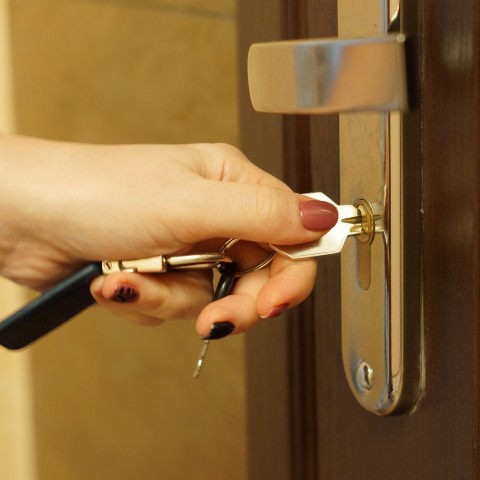
- Les clés sont les nôtres. (“The keys are ours.”)
- Ces idées sont les leurs. (“These ideas are theirs.”)
Just like possessive adjectives, the forms of possessive pronouns in French agree with the noun they replace, not with the owner.
Comparing English and French Possessives
In English:
- “her book” and “his book” use different possessives
- “hers” and “his” are distinct forms.
In French:
- son livre can mean “his book” or “her book.”
- le sien can mean “his” or “hers.”
This is why context is essential in possessive French structures. The grammar focuses on the object, not the owner.
5. Common Beginner Questions
A. How do you say “my” in French?
Use mon, ma, or mes, depending on the noun.
B. How do you say “yours” in French?
Use le tien / la tienne (informal) or le vôtre / la vôtre (formal).
C. What is “his” in French?
There is no single word for “his.” Use son, sa, or ses with nouns, and le sien or la sienne as pronouns.
D. What are the “possessifs French” forms?
This term refers to French possessive adjectives and possessive pronouns collectively.
6. Final Thoughts
French possessives may seem complex at first, but they follow a consistent logic. French possessive adjectives describe ownership before a noun, while French possessive pronouns replace the noun entirely. Both types agree with the gender and number of the thing possessed, not the person who owns it. Once you internalize this rule, expressions like mon idée, ses amis, le tien, and les leurs become much easier to use. Mastering French possessive adjectives and possessive pronouns is a significant step toward sounding natural and confident in everyday French.
Interested in learning more about possessives, adjectives, and other aspects of French grammar? Sign up today at FrenchPod101.com and get access to free resources for you to practice your grammar and learn new words. The vocabulary lists are also a great way to revise the words and learn their pronunciation.
Remember that you can also use our premium service, MyTeacher, to get personal 1-on-1 coaching and have your own private teacher to practice with restaurant phrases and more.
Along with assignments, personalized exercises, and recording audio samples just for you, your teacher will review your work and help improve your pronunciation. Happy learning on FrenchPod101!