Christmas in France, known as Noël, is a festive season filled with lights, food traditions, music, and centuries-old customs. From the famous Strasbourg Christmas Market to elegant holiday streets in Paris, France offers visitors a warm and memorable December experience. This article introduces key traditions, foods, markets, language tips (such as how to say Merry Christmas in French), and useful insights for travelers.
Table of Contents- The Christmas Season in France
- Père Noël and Other Gift-Bringers
- Decorations and Holiday Atmosphere
- Christmas Markets in France
- French Christmas Music
- Holiday Greetings and Wishes for the Holiday Season
- Conclusion
1. The Christmas Season in France
Christmas celebrations in France span several weeks. Preparations begin in late November as cities decorate streets, shops unveil holiday displays, and Christmas markets in France open to the public. The main celebrations take place on Christmas Eve and Christmas Day, and although December 26 is not a national holiday, many families continue visiting and sharing meals.
A. Le Réveillon
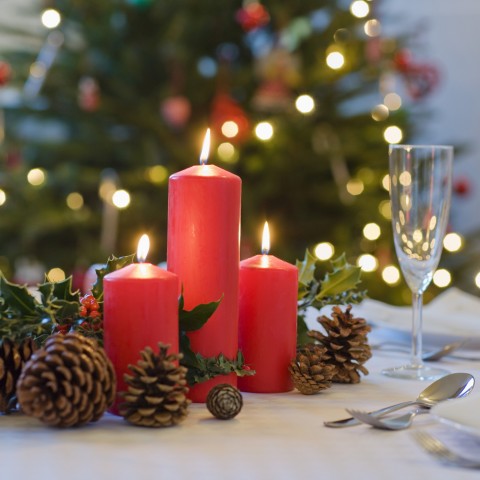
One of the best-known French Christmas traditions is Le Réveillon de Noël, the late-night feast on December 24. The name comes from réveiller, “to wake up,” because families often stay up into the early hours enjoying a leisurely meal.
Common festive items include:
- Foie gras, a delicacy served during celebratory meals
- Smoked salmon, oysters, and seafood platters
- Roast turkey with chestnuts, or roast goose, capon, or duck
- Cheese courses served before dessert
- The classic bûche de Noël, offered in flavors from chocolate to chestnut
Dessert is traditionally a bûche de Noël, a rolled sponge cake decorated to look like a log. This dessert recalls the historic yule log once burned in the fireplace.
After the meal, some families attend midnight Mass, while others stay home to open a few gifts before bedtime.
In Provence, families prepare Les Treize Desserts—the Thirteen Desserts—symbolizing Jesus and the Twelve Apostles. These include dried fruits, nuts, nougat, and regional sweets such as calissons and pompe à l’huile. In Alsace, baking traditions shine with bredele cookies and gingerbread.
After Christmas, the season continues with the Galette des Rois on January 6. This flaky puff pastry cake with almond cream hides a small charm called a fève; whoever finds it becomes “king” or “queen” for the day.
B. Christmas Day Traditions
On December 25, French families gather to exchange presents and enjoy a relaxed lunch, often featuring seafood platters with oysters and shrimp. Many children receive small gifts from Père Noël (“Father Christmas”), the traditional French name for Father Christmas, who visits during the night. Historically, French children leave shoes by the fire instead of stockings, hoping Père Noël will fill them with sweets or small surprises. This is one of the most charming Christmas traditions in France.
A decorated Christmas tree (sapin de Noël) is standard in French homes, while nativity scenes (crèches) are especially popular in Provence. Families there collect hand-painted clay figurines called santons, depicting not only biblical figures but everyday villagers, making the nativity a representation of local life.
2. Père Noël and Other Gift-Bringers
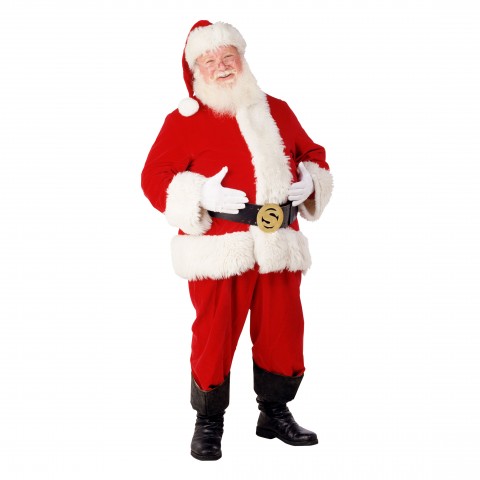
In France, Santa Claus is known primarily as Père Noël. He is similar to Santa in other countries—white beard, red suit—but French stories sometimes say he travels with a donkey and prefers to leave gifts in shoes. Children occasionally leave carrots for the donkey in their shoes on Christmas Eve.
In northeastern regions such as Alsace and Lorraine, children also celebrate Saint Nicolas Day on December 6. Saint Nicolas brings sweets or small gifts, while his stern companion, Père Fouettard, is said to discipline misbehaving children. These older customs still influence French Christmas traditions, especially in the east.
A delightful national tradition: since 1962, the French postal service has officially responded to any letter addressed to Père Noël. Children who write receive a postcard in return, adding to the holiday’s magic.
3. Decorations and Holiday Atmosphere
Cities, towns, and small villages are adorned with French Christmas decorations, but the style is often simple and elegant. Lights, wreaths, and natural colors create a cozy feeling. In Paris, major boulevards like the Champs-Élysées shine with illuminated trees and festive displays. Department stores such as Galeries Lafayette create elaborate window decorations and host enormous indoor Christmas trees.
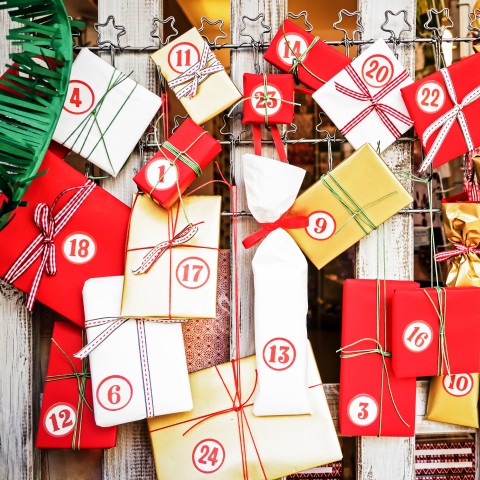
At home, many families display an Advent wreath or use an Advent calendar to count down the last days until Christmas. Mistletoe is used more for New Year’s good-luck wishes than Christmas romance. French people also often send New Year cards rather than Christmas cards.
4. Christmas Markets in France
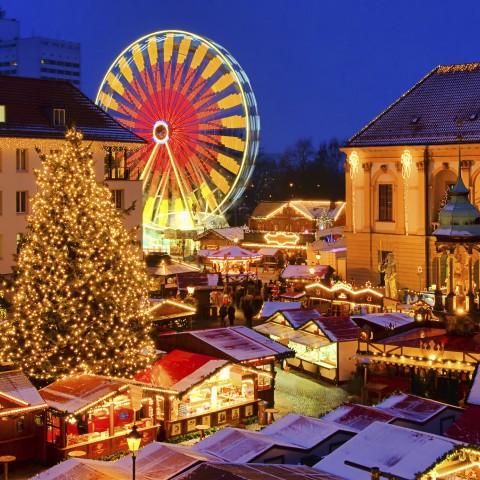
One of the biggest attractions in December is the tradition of French Christmas markets. These markets feature wooden stalls selling ornaments, crafts, mulled wine, and regional foods. Although markets now exist in many cities, the oldest and most famous are in Alsace.
A. Strasbourg: The Capital of Christmas
The Strasbourg Christmas market is one of Europe’s most celebrated. Dating back to 1570, the Strasbourg Christmas Market—also called the Christkindelsmärik—is considered one of the oldest Christmas markets in the world. Strasbourg proudly calls itself the “Capital of Christmas,” and its markets fill the historic city center with hundreds of decorated stalls.
Travelers visiting Strasbourg, France, at Christmas can admire the towering Christmas tree at Place Kléber, sample Alsatian treats like bredele cookies and pain d’épices, and enjoy the Strasbourg Christmas markets scattered across the old town. The famous cathedral and half-timbered houses glow under festive lights, making Christmas in Strasbourg unforgettable.
Because of its popularity, tourists often need to plan ahead to find accommodations. The market’s dates traditionally run from late November to Christmas Eve.
B. Colmar, Paris, and Other Cities
Just south of Strasbourg, Christmas in Colmar offers another magical experience. Colmar hosts several themed markets in its medieval center, known for warm lighting, canals, and colorful houses.
In the capital, Paris, Christmas celebrations include markets at the Tuileries Garden, La Défense, Montmartre, and Saint-Germain-des-Prés. Visitors can enjoy skating rinks, international street food, and classic Parisian Christmas lights.
Other cities with notable markets include Reims, Lille, Nice, and Lyon—home of the Fête des Lumières, a spectacular December festival of lights. Wherever you go, France’s Christmas markets are a highlight for travelers interested in food, crafts, and winter charm.
5. French Christmas Music
Music fills the season with warmth. Classic French Christmas songs and carols include “Il est né, le divin Enfant,” “Les Anges dans nos campagnes,” and especially “Petit Papa Noël.” Sung by Tino Rossi in 1946, it became the most famous French Christmas music piece and remains a staple in December.
Markets, churches, and radio stations often play both international and French versions of holiday songs, adding a nostalgic atmosphere to winter evenings.
6. Holiday Greetings and Wishes for the Holiday Season

Now, let’s go over some common French holiday phrases you might want to know.
A. Merry Christmas!
Joyeux Noël !
Do you know how to say ‘Merry Christmas’ in French? Learn here how to pronounce it perfectly! ‘Merry’ means to be joyful, to celebrate and generally be in good spirits.
B. Have a happy New Year!
Bonne année!
In countries where Christmas is not officially celebrated, but a Gregorian calendar is observed, this would be a friendly festive-season wish over New Year.
C. Happy Hanukkah!
Joyeux Hanukkah!
Hanukkah is a Jewish festival celebrated during November or December each year. It is also called the ‘Festival of Lights’ and is celebrated to commemorate the Jewish freedom of religion.
D. Have a great winter vacation!
Bonnes vacances d’hiver!
This is a good phrase to keep handy if someone doesn’t observe any religious festival over the Christmas holidays! However, this will only be applicable in the Northern hemisphere, where it is winter over Christmas.
E. See you next year!
À l’année prochaine!
Going away on holiday over Christmas season, or saying goodbye to someone about to leave on vacation? This would be a good way to say goodbye to your friends and family.
F. Warm wishes!
Amicalement
An informal, friendly phrase to write in French Christmas cards, especially for secular friends who prefer to observe Christmas celebrations without the religious symbolism. It conveys the warmth of friendship and friendly wishes associated with this time of year.
G. Happy holidays!
Bonnes vacances!
If you forget how to say ‘Merry Christmas!’ in French, this is a safe, generic phrase to use instead.
H. Enjoy the holidays!
Profitez des vacances!
After saying ‘Merry Christmas’ in French, this would be a good phrase with which to wish Christmas holiday-goers well! It is also good to use for secular friends who don’t celebrate Christmas but take a holiday at this time of the year.
I. Best wishes for the New Year!
Meilleurs vœux pour la nouvelle année!
This is another way of wishing someone well in the New Year if they observe a Gregorian calendar. New Year’s day would then fall on January 1st.
7. Conclusion
From Alsace’s markets to the lights of Paris, Christmas in France blends elegance, history, and local charm. Visitors can enjoy festive foods, music, French Christmas traditions, and regional customs that make the holiday season unique. Whether you come for the Strasbourg Christmas market, the culinary experience of Le Réveillon, or simply to enjoy winter scenery, France offers a warm and memorable holiday atmosphere.
Joyeux Noël!