Easter in France is both a major Christian celebration and a widely enjoyed seasonal moment that blends church observances, family time, and an unmistakable love of chocolate. The holiday is called Pâques (sometimes seen without accents as paques, and occasionally as the nonstandard spelling páques), and it sits at the center of the spring calendar. In practical terms, the most important date for visitors is Lundi de Pâques (Easter Monday). This legal public holiday often creates a long Pâques weekend for travel and family gatherings.
French Easter traditions are famous for a charming twist: in much of the country, children are told that it is the church bells that bring the treats, not a bunny—an idea rooted in Holy Week customs. Regional France adds its own flavors, especially in Alsace, where the Easter hare is part of local heritage. If you’re visiting, expect springtime crowds, adjusted opening hours on the holiday Monday, and plenty of seasonal pastries and chocolates in shop windows.
Table of Contents- What Pâques means in France: religion, calendar, and timing
- The weekend de Pâques, Lundi de Pâques, and how holidays work
- The best-known French Easter traditions: bells, eggs, and chocolate
- Regional and overseas flavors: Alsace, the Easter hare, and beyond
- Easter food in France: lamb, spring meals, and the chocolate season
- Visiting France at Easter: what to plan for, including Easter in Paris
- Speaking about Easter: greetings, spelling, and beginner language tips
- Conclusion
1. What Pâques means in France: religion, calendar, and timing
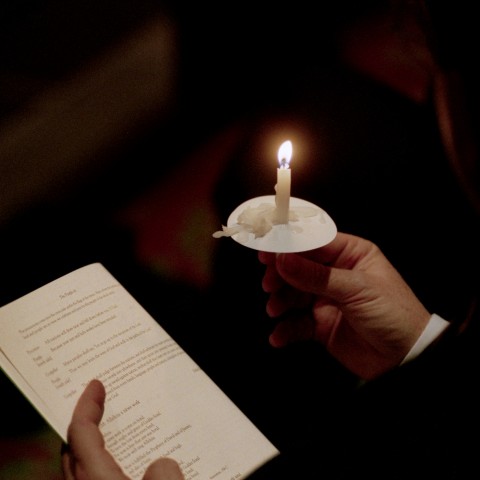
In Christian tradition, Easter celebrates the resurrection of Jesus and is preceded by Holy Week. In France, that religious background still influences customs (church services, the silence of bells, family gatherings), even though many people experience the holiday mainly as a cultural and seasonal event.
Because Easter is a movable feast, its date changes each year. A commonly cited rule in Western Christianity places Easter on the Sunday after the full moon following the spring equinox (a system formalized in late antiquity). That’s why French calendars shift from late March to late April depending on the year.
For travelers planning paques 2026, the key dates are straightforward: Easter Sunday falls on April 5, 2026, followed by Easter Monday on April 6, 2026. When people talk about Easter Sunday in France (or Easter Sunday in France), they usually mean the family-and-chocolate day; when they talk about the long weekend, they often mean the public holiday Monday.
If you’re learning the language, Easter in French is Pâques—and you’ll sometimes see it explained as “the French for Easter is Pâques.” In everyday life, you’ll see it on everything from bakery signs to museum calendars during spring.
2. The weekend de Pâques, Lundi de Pâques, and how holidays work
In national law, the public holiday is Lundi de Pâques. Easter Sunday is, of course, a Sunday (already a rest day for many). French labor law lists Easter Monday as a legal public holiday.
This shapes the travel rhythm. The weekend de paques often starts with quieter moments on Sunday morning (especially near churches). Then it becomes a classic “long-weekend” pattern: family lunch, an outing, an egg hunt for children, and—if people take an extra day off—a short getaway. Official guidance on holidays in France also notes the common practice of building “ponts” (bridging days) around holidays when employers allow it, which can make transport busier and popular destinations more booked.
There are also regional exceptions worth knowing. Good Friday is not a nationwide public holiday. Still, in Alsace-Moselle, local rules add holidays beyond the national list—often including Good Friday in certain communes and December 26. If you’re traveling in eastern France, this can affect opening hours and local scheduling.
3. The best-known French Easter traditions: bells, eggs, and chocolate
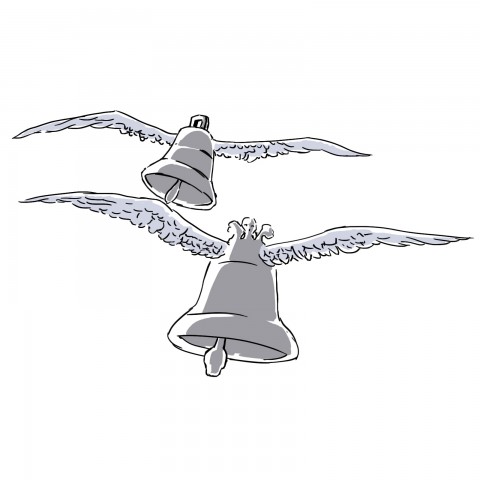
When people ask about Easter traditions in France, they usually encounter three related ideas: Holy Week church customs, children’s egg hunts, and seasonal chocolate artistry. A distinctive French story explains why church bells go silent during the Triduum (from Holy Thursday into Easter) and how that silence is explained to children: the bells are said to “go to Rome” and return in time for Easter, bringing treats.
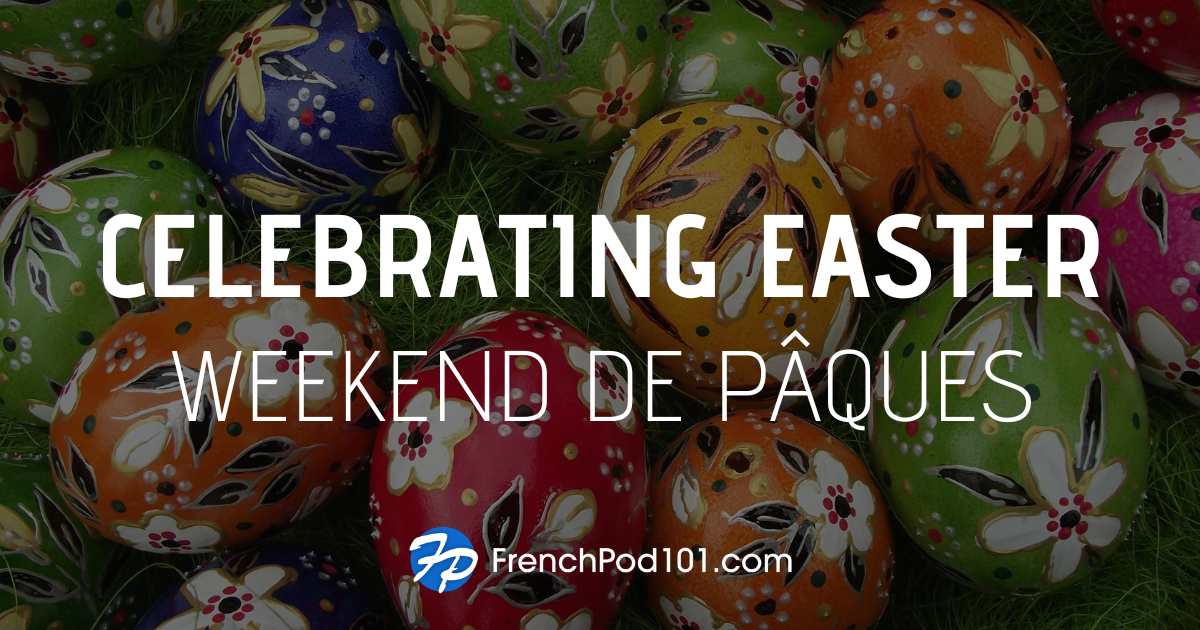
This is where the famous French Easter bell image comes from. Instead of a single bunny delivering candy, many French families grow up with the idea that “the bells have passed,” and that’s the signal to begin the egg hunt. In practice, children search for chocolate eggs, small treats, and seasonal shapes hidden in gardens or around the home.
You’ll sometimes see English-language references to “paques eggs” or even the misspelled “paque eggs.” Still, the cultural point is the same: during the Easter season, French shops highlight chocolate eggs, bells, hens, fish, and other symbolic shapes. Official French tourism writing often emphasizes the craftsmanship of French pastry chefs and chocolatiers during the season, treating Easter confectionery as a showcase moment.
4. Regional and overseas flavors: Alsace, the Easter hare, and beyond
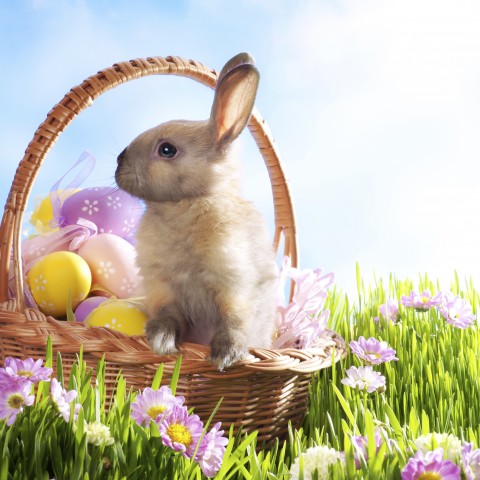
France is famous for national-level customs, but it’s also a country of strong regional identity—so french easter traditions can look slightly different depending on where you are. Alsace is the best-known example. Unlike much of France, where the bells “bring” the chocolate, Alsace commonly features the Easter hare (often linked to Germanic traditions) as the gift-bringer. Official regional tourism sources describe this difference clearly and present Easter there as a major seasonal highlight.
Alsace is also known for spring decorations and Easter-focused markets in some towns, alongside local pastries and family activities. Strasbourg’s tourism office notes that Easter is an especially tradition-rich period in Alsace, with customs that aren’t always found elsewhere in France.
Overseas France adds another layer. For example, in Guadeloupe, Easter weekend can include the well-known “crab festival” tradition alongside religious observance and family gatherings—an illustration of how French traditions adapt to local landscapes and food cultures.
5. Easter food in France: lamb, spring meals, and the chocolate season
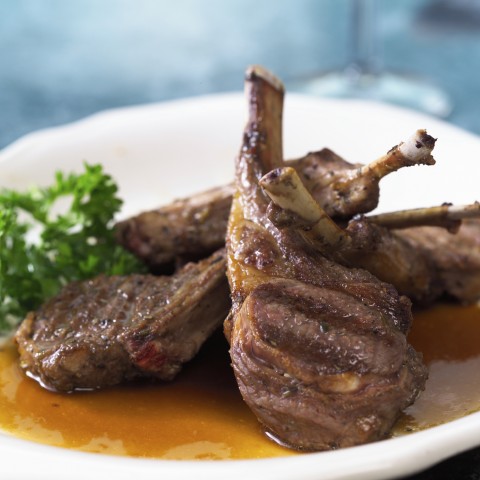
A “traditional French Easter” meal often centers on springtime foods and a long family lunch. One iconic dish is roast lamb, frequently described as a classic Easter Sunday table choice in France. Food-focused French tourism sources explicitly highlight gigot d’agneau (leg of lamb) as a hallmark Easter dish, tying it to family-gathering culture.
Alongside lamb, expect seasonal vegetables, fresh breads, and desserts that lean into spring flavors. But the most visible culinary sign of Easter in France is chocolate: shop windows fill with elaborate displays, from small treats meant for hiding to artistic showpieces that reflect the pride of French pastry and chocolate-making. France’s official tourism editorial content regularly frames Easter as a major moment for pâtissiers and chocolatiers, emphasizing the variety and creativity of seasonal confections.
For visitors, this means you don’t need a reservation to enjoy Easter food culture: a simple bakery visit can be part of the experience. During the days around Easter, browsing pastry windows and trying seasonal items is often as memorable as a formal restaurant meal.
6. Visiting France at Easter: what to plan for, including Easter in Paris

If you’re traveling to France at Easter (or thinking about France in easter season travel), plan around three practical realities: the public holiday on Monday, spring crowds, and variable opening hours. Since Easter Monday is a legal holiday, some businesses close or operate on reduced hours. At the same time, many tourist attractions remain open—especially in major destinations—often with holiday schedules posted in advance. General France travel guidance notes that closures vary by holiday and location, so it’s wise to confirm hours for any “must-see” site.
For Easter in Paris, the holiday tends to feel “city-spring” rather than “festival-spectacle.” Many visitors build their days around walks (through gardens and along riverbanks), church culture (services and music at major churches), and food shopping. If your trip includes easter holidays in Paris, consider reserving key meals, purchasing museum tickets in advance when possible, and double-checking Monday hours for smaller boutiques and neighborhood restaurants.
Families often look for egg hunts. French tourism content sometimes highlights Easter egg hunt ideas in and around Paris, including day-trip options that fit a holiday weekend. Because offerings change year to year, use these as inspiration and confirm what’s available on your travel dates.
A final planning note: rail and road travel may be busier than usual due to the long weekend, which encourages short domestic trips. Even if you’re not traveling far, booking intercity transport earlier than you normally would for spring can reduce stress.
7. Speaking about Easter: greetings, spelling, and beginner language tips

If you’re studying French, you may wonder about how to say happy Easter in France in a way that sounds natural. The most common greeting is “Joyeuses Pâques,” and you’ll also see “Joyeuse Pâques.” The grammar can look confusing because Pâques behaves unusually in French: linguistic guidance explains that when Pâques is paired with an adjective (as in a greeting), it is treated as feminine plural—hence “joyeuses.”
In informal typing, accents are often dropped. That’s why you may encounter the accentless versions joyeuse paques and joyeuses paques on messages and signage prepared for international audiences. Similarly, Pâques may appear as paques, and occasionally as páques, even though the standard spelling is Pâques.
A quick translation note helps beginners: Pâques in English is “Easter,” and paques in English calendars or schedules use a no-accent spelling of the same French word. If you’re explaining it to someone else, you can say “Pâques in French is written Pâques” and means Easter. (A small pronunciation tip for English speakers: the final “s” is silent.)
Here’s a compact vocabulary table for travelers and beginner learners:
| Term (French) | Meaning (English) | Typical use in France | Helpful note |
| Pâques | Easter | Holiday name on calendars, signs, and seasonal packaging | Often written without accents as paques |
| dimanche de Pâques | Easter Sunday | Family meals, church services, chocolate morning | Not a separate legal holiday nationwide |
| Lundi de Pâques | Easter Monday | Day off for many; travel, family time, relaxed outings | Nationwide legal public holiday |
| les cloches de Pâques | Easter bells | Popular children’s story tied to Holy Week bell silence | A hallmark French tradition |
| chasse aux œufs | egg hunt | Children’s activity at home, parks, and some attractions | Often paired with chocolate shapes |
| Joyeuses Pâques | Happy Easter | Greeting on cards, messages, and signs | Uses “joyeuses” due to adjective agreement |
8. Conclusion
As you travel and learn, it helps to think of Easter in France as a set of overlapping layers: a religious calendar moment, a public holiday long weekend, and a seasonal celebration of spring food and confectionery craft. If you plan around the holiday Monday and keep expectations flexible about opening hours, you can enjoy a warm, distinctly French side of the country—whether you’re in a big city, a small village, or somewhere in between.