France is famous for its unified culture and the prestige of the French language. But scratch the surface, and you find a linguistic tapestry as diverse as its cheeses.
While Standard French (derived from the northern Langue d’oïl) is the official language, the country is home to historical languages that are not just “dialects” but distinct linguistic systems. From the Celtic roots of the Breton language in Brittany to the pre-Indo-European mystery of the Basque language, these regional tongues reflect centuries of independent history.
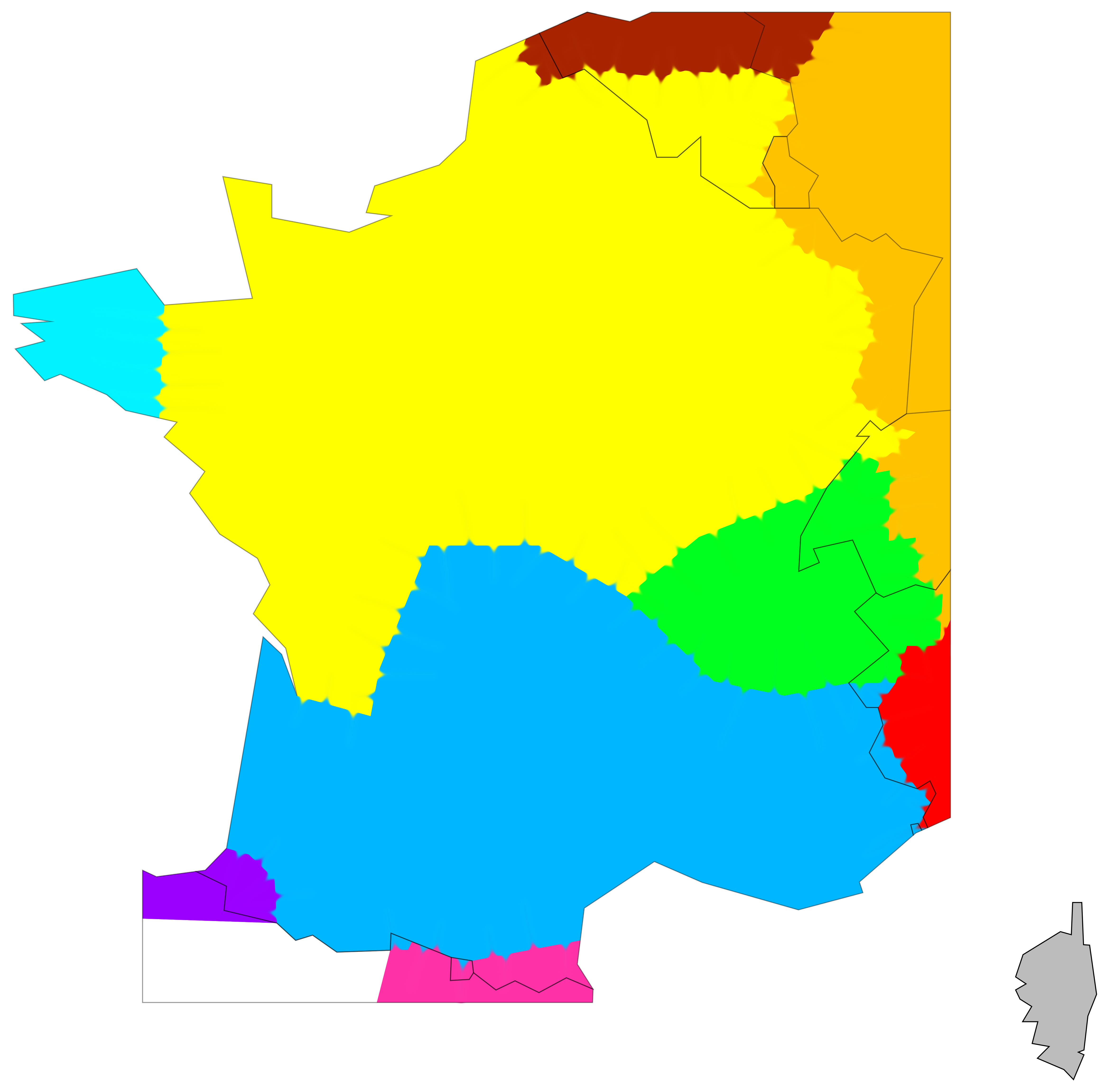
For language enthusiasts and travelers, understanding this diversity unlocks a deeper appreciation of France’s culture. This guide explores the major regional languages of metropolitan France, how they differ from the standard, and where you can still hear them today.
Table of Contents- The Great Divide: Langue d’Oïl vs. Langue d’Oc
- Occitan (The Language of the South)
- Franco-Provençal (Arpitan)
- Breton (Brezhoneg)
- Alsatian (Elsässisch)
- Basque (Euskara)
- Catalan (Català)
- Corsican (Corsu)
- Flemish (Flamand)
- Comparison: One Word, Nine Tongues
- Conclusion: A Renaissance?
1. The Great Divide: Langue d’Oïl vs. Langue d’Oc
To understand French linguistic history, look at the word for “Yes.”
In the Middle Ages, France was linguistically divided by the Loire River.
- North: Spoke Langue d’oïl (where “yes” was oïl, which became modern oui).
- South: Historically spoke the Langue d’oc (where “yes” was òc).
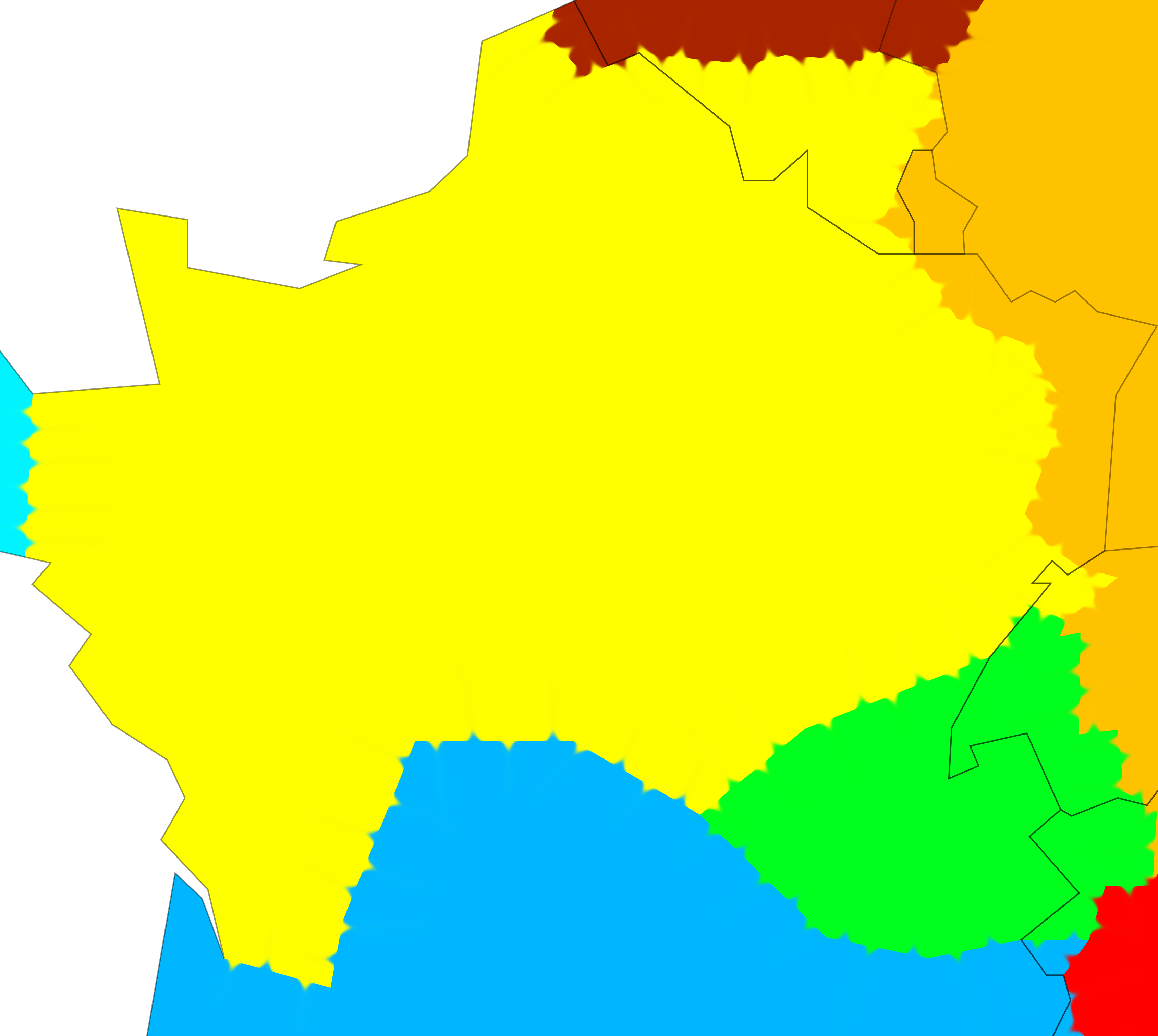
Standard French evolved from the Parisian version of Langue d’oïl. It was the language of the King, and over the centuries, imposed as the sole language of the Republic.
The southern Langue d’oc evolved into what we now call the Occitan language. It was the language of the Troubadours, a prestigious literary tongue that lost the political war for linguistic dominance.
2. Occitan (The Language of the South)
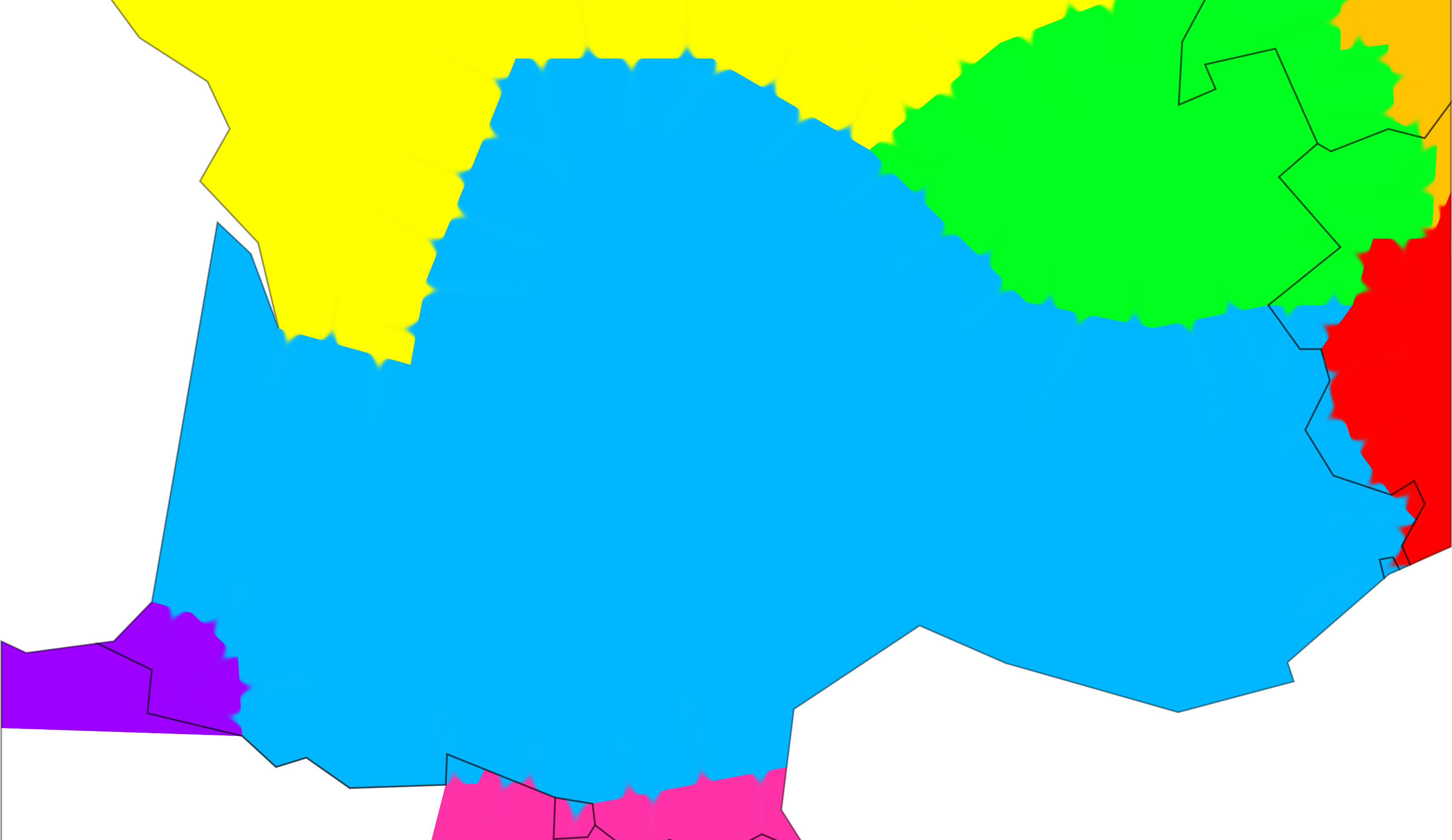
- Where: The southern third of France (Provence, Languedoc, Gascony, Limousin, Auvergne), often called the Occitan region.
- Family: Romance (Oc).
Occitan language (or Lenga d’òc) is the ghost in the machine of southern France. While few people speak it fluently on the street today (estimates range from 600,000 to 1 million speakers, mostly elderly), its influence is everywhere—in place names, street signs, and the local accent.
Key Features
Occitan often sounds like a bridge between French and Spanish, similar to Catalan.
- Occitan pronunciations: Unlike standard French pronunciation, Occitan pronounces most final consonants. The word for “bread” is pan (pronounced pang), closer to Spanish pan than French pain, which has a nasal vowel.
Vocabulary:
- French: L’eau
- Occitan: Aiga
- French: S’il vous plaît
- Occitan: Se vos plai
Provençal: The Famous Dialect
Provençal, not to be confused with Franco-Provençal, is the most famous variety of Occitan, spoken in Provence and the Côte d’Azur. It experienced a major revival in the 19th century thanks to Nobel Prize-winning poet Frédéric Mistral, who helped standardize its spelling. Today, you will see street signs in cities like Nice and Aix-en-Provence written in both French and Provençal (for example, Nice / Nissa). The correct spelling is Provençal. Its pronunciation is melodious and distinct.
3. Franco-Provençal (Arpitan)
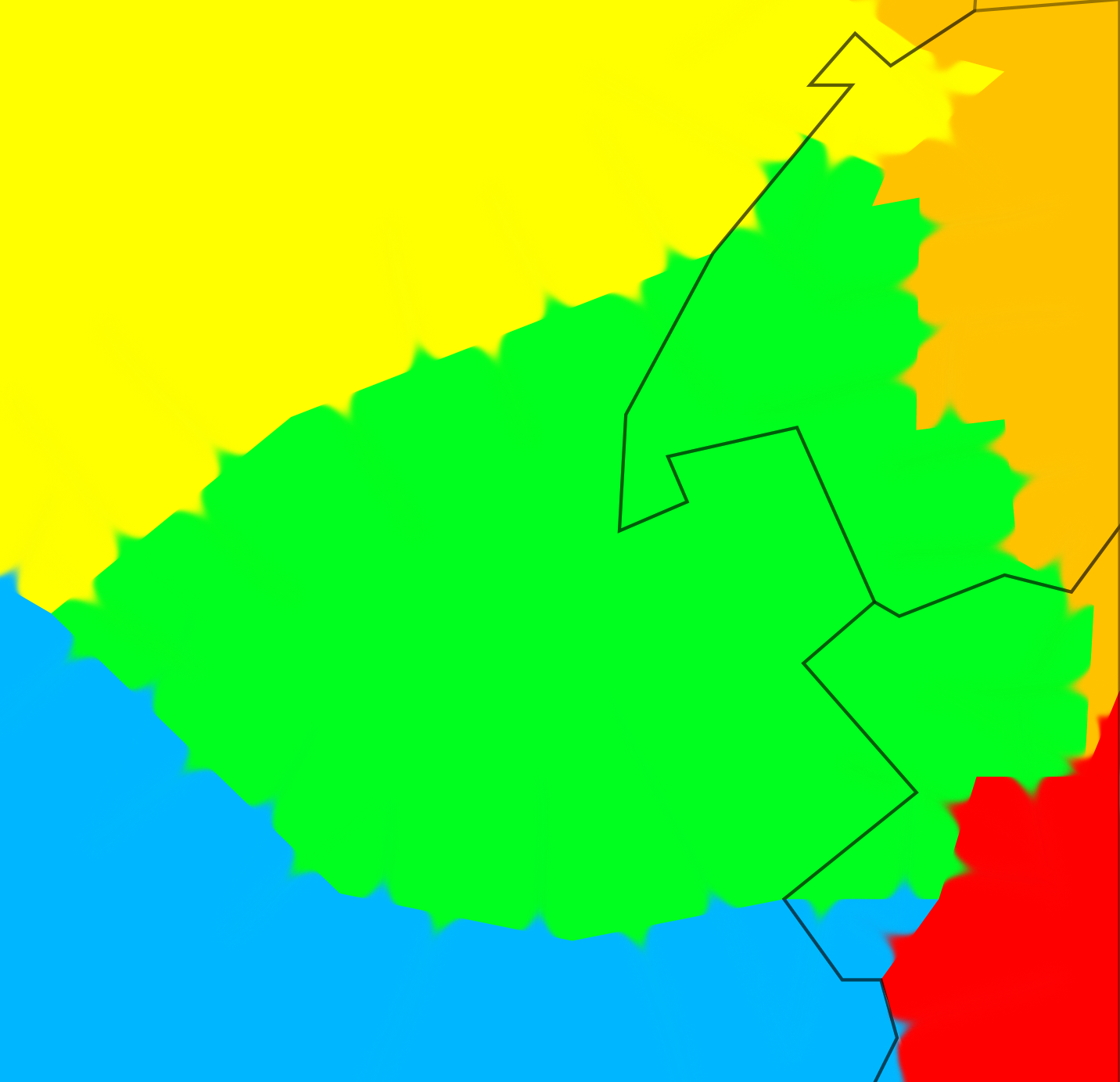
- Where: Alpine regions of France, as well as some of Switzerland and Italy.
- Family: Romance (Gallo-Romance).
The Franco-Provençal language, also known as Arpitan, is a distinct Romance language that bridges the gap between French and Occitan (Provençal). Despite its name, it is not a dialect of French nor a mix of French and Provençal – it evolved independently. In grammar and pronunciation, it sits roughly midway between French and Occitan, having traits of both but standing as its own language.
Key Features
- Sounds: Vowel sounds resemble those in Occitan, while consonants are more French-like. This gives Franco-Provençal a sound that seems like a blend of French and southern Romance languages.
- Dialects: There is no single standard form. Franco-Provençal survives in many local dialects (Lyonnais, Savoyard, Aostan, etc.), often called patois. Each valley or town has its own variety, which can differ significantly from the next.
Vocabulary:
- French: Chèvre
- Franco-Provençal: Chiévra (goat)
- French: Frère
- Franco-Provençal: Frâre (brother)
- French: Nuit
- Franco-Provençal: Nuet (night)
Status: Franco-Provençal is considered an endangered language today. The Aosta Valley in Italy remains a stronghold where it is still spoken in daily life, but across most of its range usage has sharply declined and is now largely confined to older generations. There are grassroots efforts (under the name Arpitan) to promote and preserve the language, but it lacks official status or widespread education, especially compared to more commonly revived regional languages like Breton or Catalan.
4. Breton (Brezhoneg)
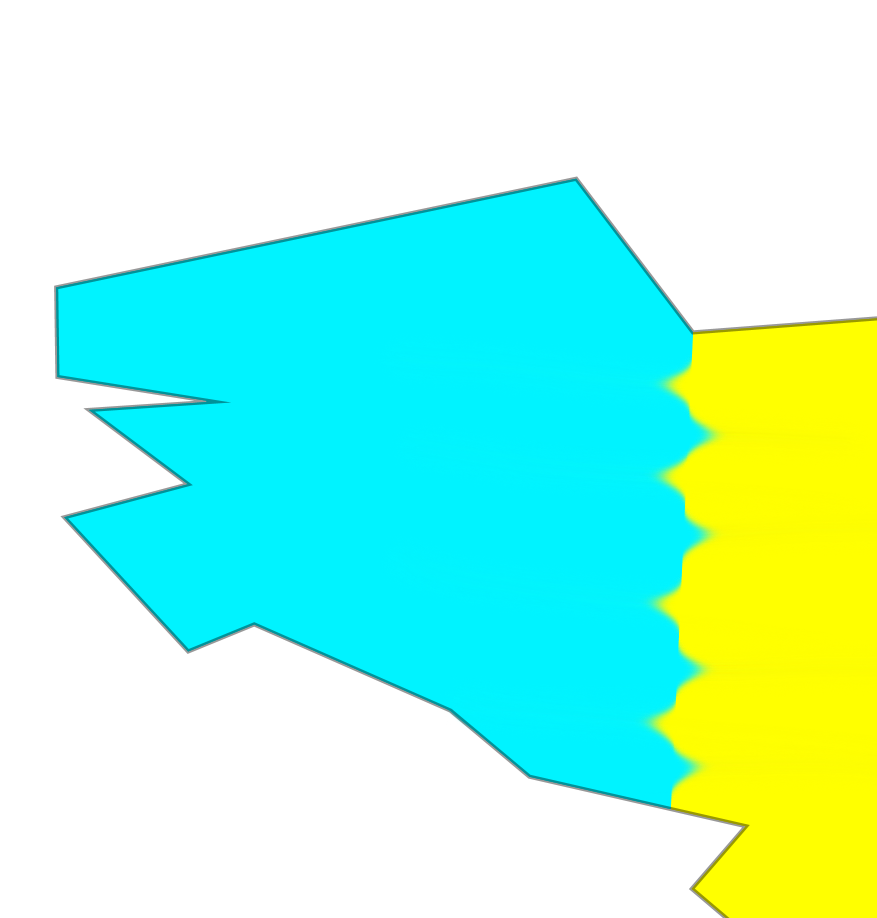
- Where: Western Brittany (Breizh).
- Family: Celtic (Brythonic).
The Breton language is the odd one out. It is not a Romance language. It is a Celtic language brought over by migrants from Britain (Cornwall and Wales) in the Early Middle Ages. It is more closely related to Welsh than to French.
Key Features
- Mutations: Like Welsh, the first letter of a word can change depending on the word before it. Kador (chair) might become Gador or C’hador.
- Word Order: It often uses Verb-Subject-Object or flexible order, unlike French Subject-Verb-Object.
Vocabulary:
- French: Mer
- Breton: Mor
- French: Blanc
- Breton: Gwenn
- French: Maison
- Breton: Ty
Status: The Breton language has a strong revival movement. The Diwan schools offer immersion education, and you will see Degemer Mat (Welcome) signs across the region.
5. Alsatian (Elsässisch)
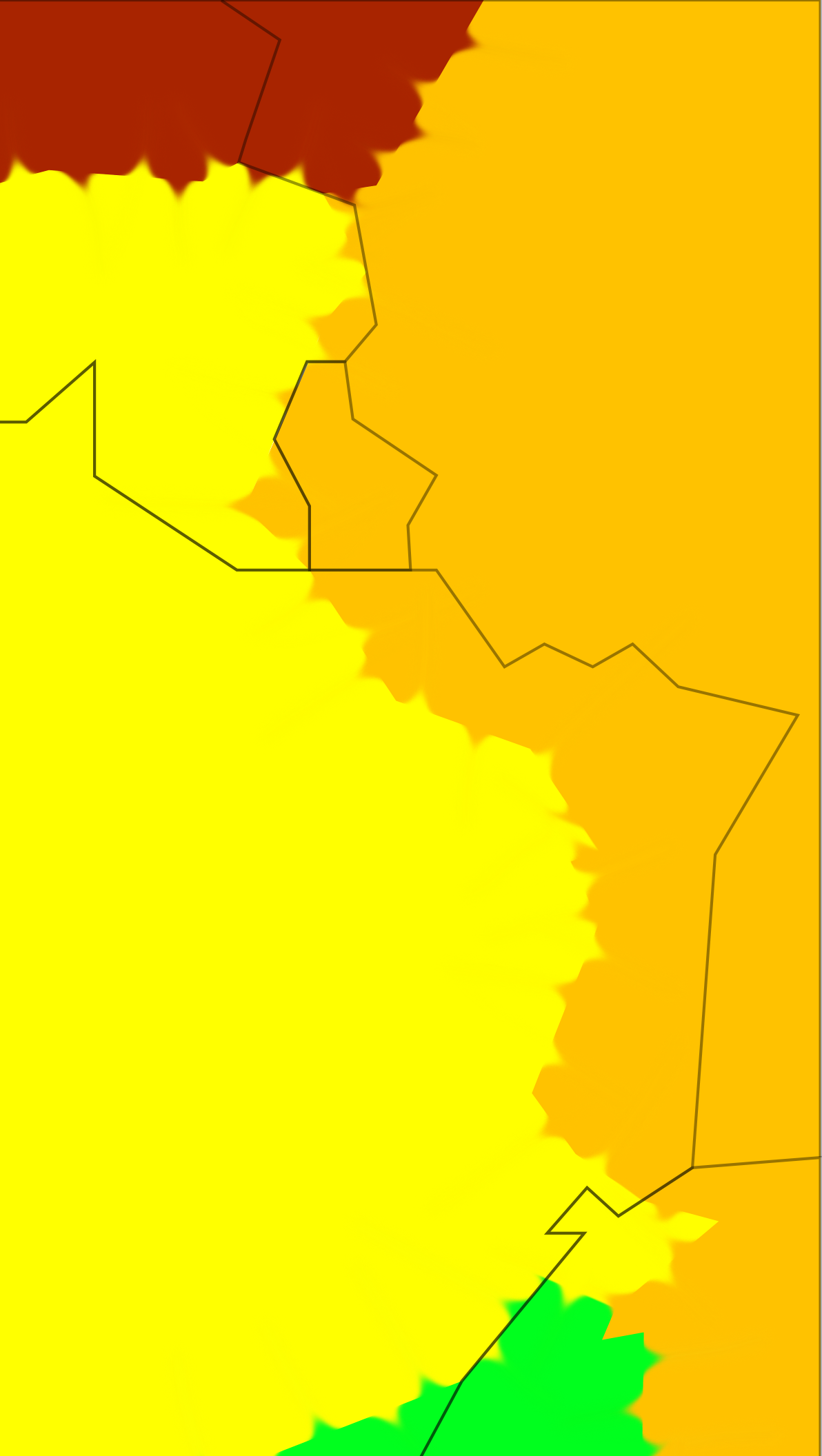
- Where: Alsace (Eastern France, near the German border).
- Family: Germanic (Alemannic).
The Alsatian language is effectively a dialect of High German, specifically Alemannic (like Swiss German). Due to the region’s history between France and Germany, the language has long been politically sensitive.
Key Features
- Sound: Germanic in structure, but often spoken with French intonation.
- Vocabulary: A mix of Germanic roots and French influence. You might hear Sauerkraut (Choucroute) and greetings like Guten Tag or Gueter Dàg.
- Sociolinguistics: Alsatian was widely spoken across all social classes until the 1970s. Today, it is declining but still heard in villages and among older generations.
Lorraine Franconian
In northwest Alsace and the nearby Lorraine region, “Lorraine Franconian” is spoken. Lorraine Franconian is a related but less strongly defined group of dialects which also belong to the Germanic family.
6. Basque (Euskara)
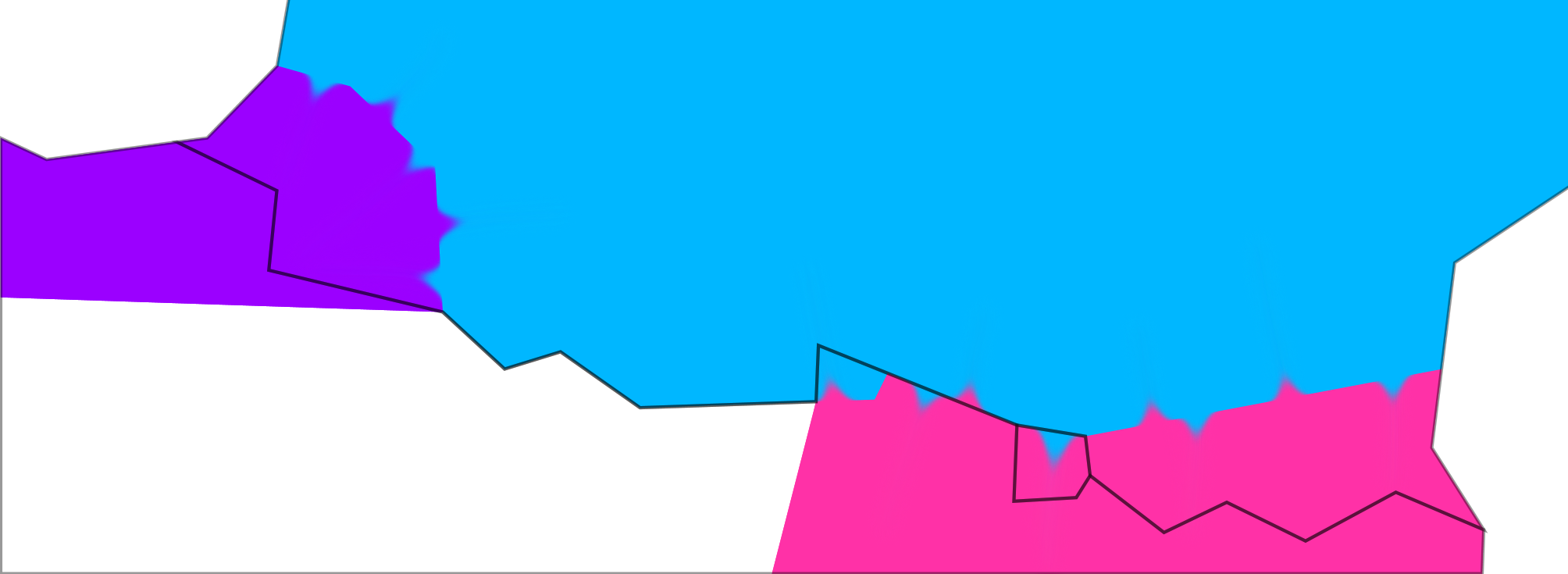
- Where: The Basque Country of France (Pays Basque) in the southwest, near the Spanish border.
- Family: Language isolate.
The Basque language is a linguistic mystery. It is not related to French, Spanish, or any other known language family. It predates the arrival of Indo-European languages in Europe.
Key Features
- Agglutinative Structure: It builds meaning by attaching suffixes to words.
- Distinct Letters: The letters K and X appear frequently, for example Etxea (House).
Examples:
- French: Bonjour
- Basque: Kaixo
- French: Merci
- Basque: Milesker
Identity: The Basque cultural identity is strongly tied to its language. Bilingual schools called Ikastolas help preserve it.
7. Catalan (Català)
Where: Southern France, primarily in the historical region of Roussillon (today the Pyrénées-Orientales department). This area is sometimes referred to as Northern Catalonia (Catalunya Nord).
Family: Romance (Oc)
Catalan developed during the Middle Ages in the eastern Pyrenees region, spanning what are now northeastern Spain and southern France. In the French Catalan territories, the language historically flourished as part of the wider Catalan-speaking cultural area connected to the Crown of Aragon. Catalan is not a dialect of Spanish; linguistically it is closer to Occitan (especially Provençal varieties spoken in southern France) than to Castilian Spanish, though it shares characteristics with both. In Roussillon, Catalan historically served as the everyday language of the population until the region was incorporated into France in the 17th century.
Key Features
Vowels: Catalan has a richer vowel system than Spanish, distinguishing sounds such as open è versus closed é (and similarly with o). This gives Catalan about 7–8 vowel sounds depending on the dialect.
Past Tense: Catalan frequently uses a distinctive periphrastic past tense. For example, vaig veure (literally “I go to see”) means “I saw.” This construction uses a form of anar (to go) plus an infinitive and is unique among major Romance languages, differing from both French and Spanish past tense systems.
Vocabulary:
- French: Mer
- Catalan: Mar (sea)
- French: Chien
- Catalan: Gos (dog)
- French: Maison
- Catalan: Casa (house)
Status: In France, Catalan is recognized as a regional language and forms an important part of the cultural identity of the Pyrénées-Orientales. While French is dominant in public life and education, Catalan continues to be promoted through cultural organizations, bilingual schools (such as the La Bressola network), festivals, and regional media. The language is also supported by cross-border cooperation with Catalonia in Spain. Although the number of daily speakers in France is smaller than in Spain, Catalan remains a visible symbol of regional heritage and identity in Northern Catalonia.
8. Corsican (Corsu)
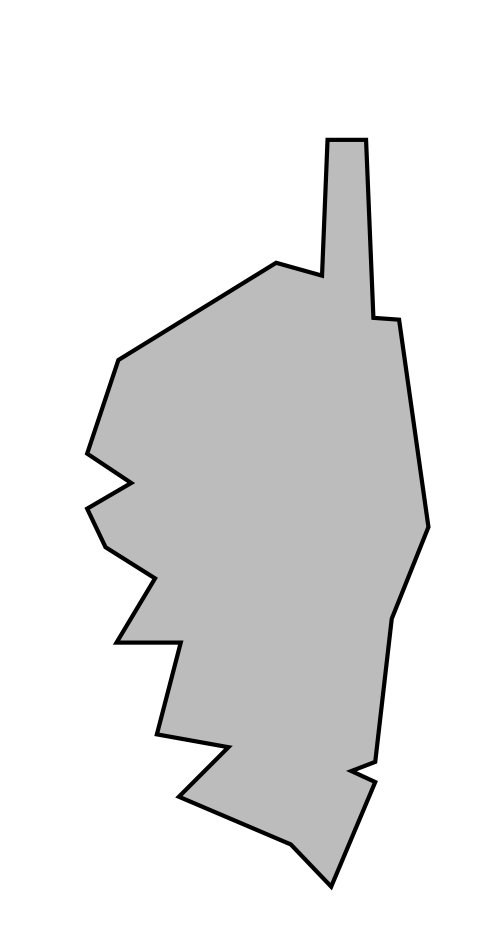
- Where: The island of Corsica.
- Family: Romance (Italo-Dalmatian).
The Corsican language is historically a dialect of Italian (specifically Tuscan), reflecting the island’s long rule by Pisa and Genoa before becoming French in 1768. Officially, French is spoken in Corsica, but Corsu remains culturally important.
Key Features
- Sound: To French ears, Corsican sounds like Italian. To Italian ears, it sounds like standard Italian with a strong accent.
- The “U” Ending: Words ending in “o” in Italian often end in “u” in Corsican.
- Italian: Gatto
- Corsican: Gattu
- Cultural Preservation: The language survives strongly in traditional polyphonic singing known as Paghjella.
9. Flemish (Flamand)
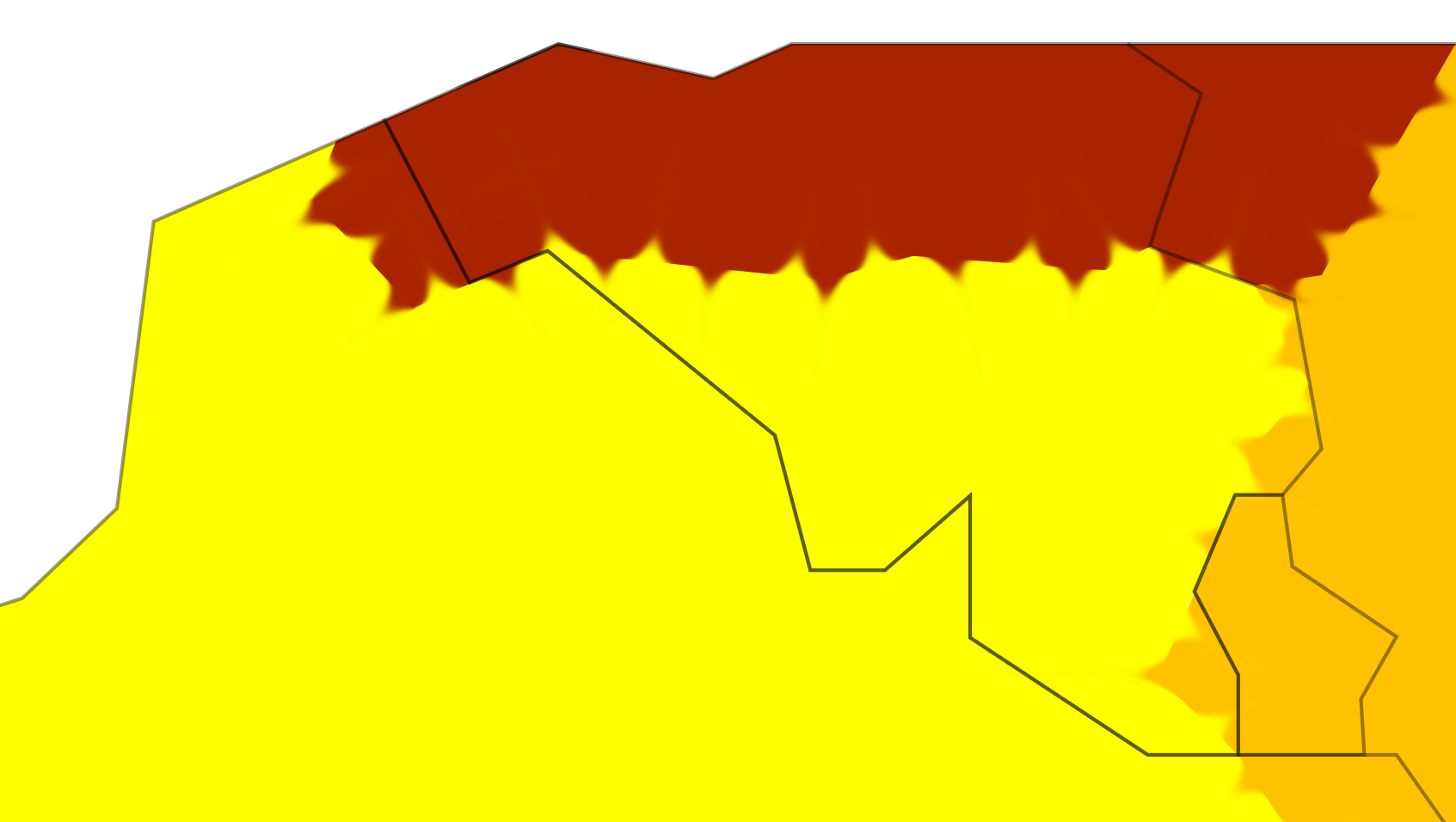
- Where: The far north around Dunkirk (French Flanders).
- Family: Germanic (Dutch).
Historically, the area around Dunkirk spoke a West Flemish dialect of Dutch. While rare today, it survives in local expressions and place names ending in -sch or -cke.
10. Comparison: One Word, Nine Tongues
How different are these languages? Here is a comparison of the words for “House” and “Water.”
| Language | Family | House | Water |
| Standard French | Romance (Oïl) | Maison | Eau |
| Franco-Provencal | Romance (Arpitan) | Mèson / Mazon | Iga / Ega |
| Occitan | Romance (Oc) | Oustau / Casa | Aiga |
| Catalan | Romance (Oc) | Casa | Aigua |
| Corsican | Romance (Italic) | Casa | Acqua |
| Basque | Isolate | Etxea | Ura |
| Breton | Celtic | Ty | Dour |
| Alsatian | Germanic | Hüs | Wàsser |
| Flemish | Germanic | Huis | Water |
11. Conclusion: A Renaissance?
For decades, the French government discouraged these languages in the pursuit of national unity. Children were punished for speaking patois in school.
Today, attitudes have shifted toward heritage preservation. While Standard French remains the only official language, regional languages are recognized in the Constitution as part of France’s heritage. Occitan, Franco-Provençal, Ligurian, and others are still spoken, though often by older generations or enthusiasts.
For a language lover or a traveler, exploring these dialects adds depth to the French experience – revealing a multilingual past in which langue d’oc, Celtic tongues, and others coexisted with what would eventually become the French nation. And while French unifies the country today, these regional languages continue to enrich its cultural mosaic, each a treasure for those willing to listen. France isn’t just the land of “bonjour” – in Provence, you might hear “adieu” in Brittany, “demat” or in Corsica “bonghjornu”. Understanding these greetings and the worlds behind them is to understand the diverse soul of France beyond standard French.