French is spoken across multiple continents, making it one of the most widely spoken languages worldwide. A Francophone country is one where French is spoken by a significant portion of the population, typically as an official or administrative language.
In fact, French is an official language in 29 countries worldwide (plus several territories), a number second only to English in terms of nations that recognize it officially. These French-speaking countries (known in the French language as pays francophones) span Europe, Africa, the Americas, and parts of Asia/Oceania.
Collectively, they form “La Francophonie,” a global community of French-speaking nations. French is estimated to be spoken by about 300 million people worldwide, including native speakers and those who learned it as a second language. This means that if you know French, you can communicate in dozens of countries – an exciting prospect for travelers and language learners alike.
Table of Contents- What Does “Francophone” Mean?
- French-Speaking Countries in Europe
- French-Speaking Countries in Africa
- French-Speaking Countries in the Americas and Caribbean
- French in Asia
- French in Oceania
- Conclusion: A Diverse Francophone World
1. What Does “Francophone” Mean?
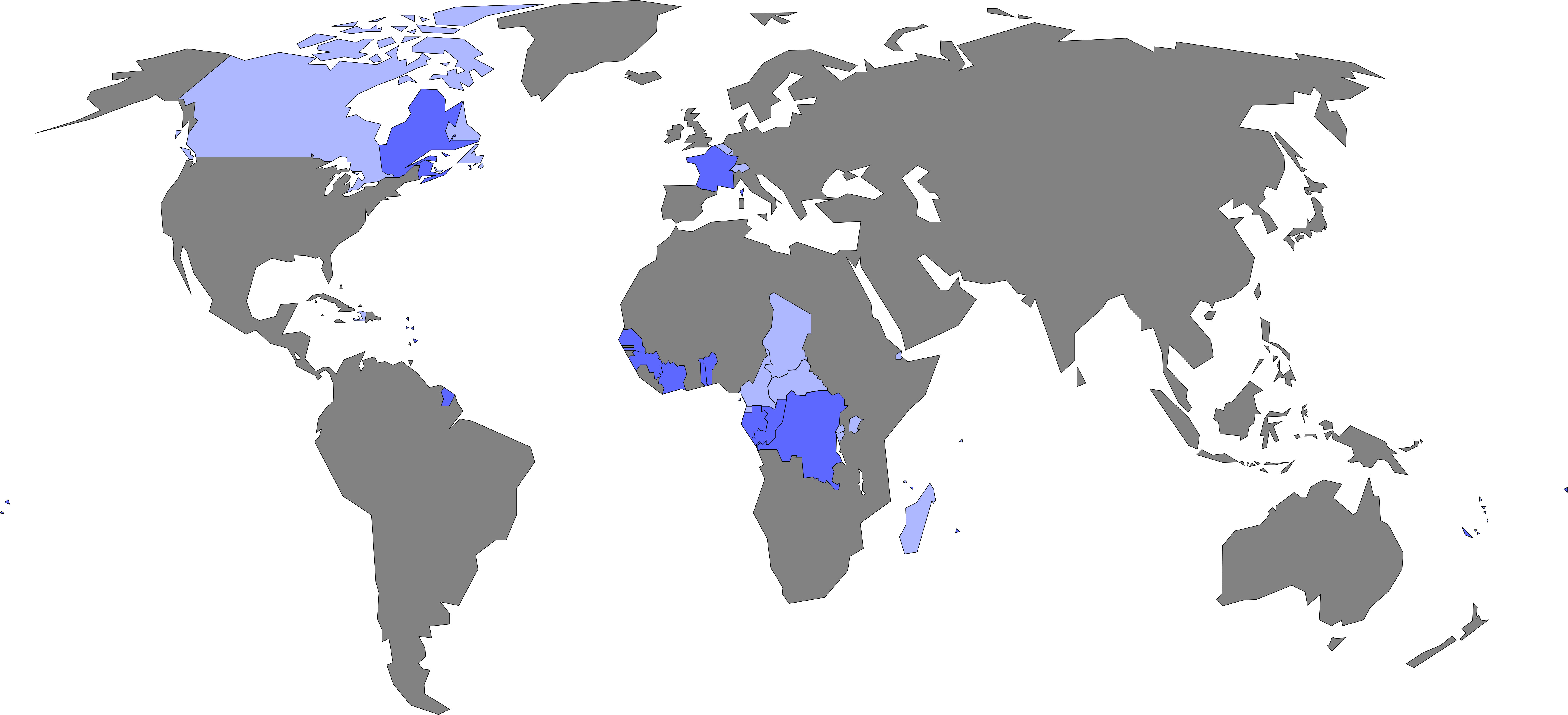
The term Francophone means “French-speaking,” and both people and countries can be francophones. For example, France is a Francophone country, but so are many other nations beyond France’s borders.
In French, one might call these countries les pays francophones, which literally means French-speaking countries. Typically, when we talk about Francophone countries, we mean countries that use French as an official or administrative language of government, education, or public life. Some of these countries have French as their sole official tongue, while others are bilingual or multilingual, with French as one of several official languages.
It’s important to note that not every country where French is spoken has French as an official language. For instance, Morocco, Algeria, and Tunisia are countries that do not list French as an official language (Arabic is dominant), yet French is widely used there in business, education, and the media due to historical ties.
In essence, the Francophone world encompasses both officially French-speaking nations and places where French has a strong cultural or secondary presence. Next, let’s take a tour of the French-speaking world by region, to see just how diverse the countries that speak French really are.
2. French-Speaking Countries in Europe
A- France
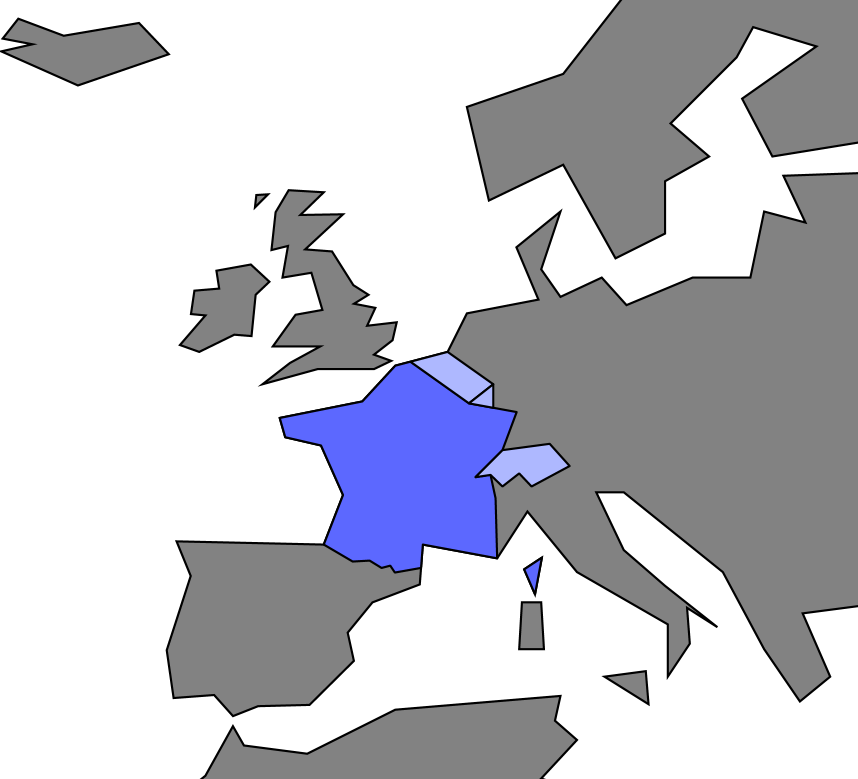
When most people think of the French language, they naturally think of France, its country of origin. France is, of course, the largest French-speaking nation in Europe, but it is far from the only one. European Francophone countries include France, Belgium, Switzerland, Luxembourg, and Monaco. In each of these countries, French is an official language (either the only official language or one of several).
The birthplace of the French language. French is the sole official language of France, and the country’s influence spread the language globally throughout history.
B- Belgium
A multilingual nation where French is one of three official languages (alongside Dutch and German). The southern region of Belgium (Wallonia) and the capital Brussels, are predominantly French-speaking.
C- Switzerland
A country with four national languages. French is spoken in western Switzerland (regions such as Geneva, Vaud, Neuchâtel, and Jura). About 20% of Swiss citizens speak French natively, mainly in these areas.
D- Luxembourg
A small European Grand Duchy where French is an official language (along with Luxembourgish and German). Many Luxembourgers are trilingual, and French is used in government and media.
E- Monaco
A tiny principality on the French Riviera, where French is the sole official language. Monaco’s culture and daily life are essentially French-speaking, though Italian and English are also commonly understood due to its international population.
F- Other places in Europe
Beyond these, parts of other European countries have French-speaking communities. For example, in Italy’s Aosta Valley region and the Channel Islands of Jersey and Guernsey (British Crown dependencies), French has historical or co-official status. Overall, Europe offers several destinations where travelers can experience French language and culture outside France. From the cosmopolitan cities of Brussels and Geneva to the Mediterranean charm of Monaco, European Francophone countries each have their own local flavor while sharing the French language.
3. French-Speaking Countries in Africa
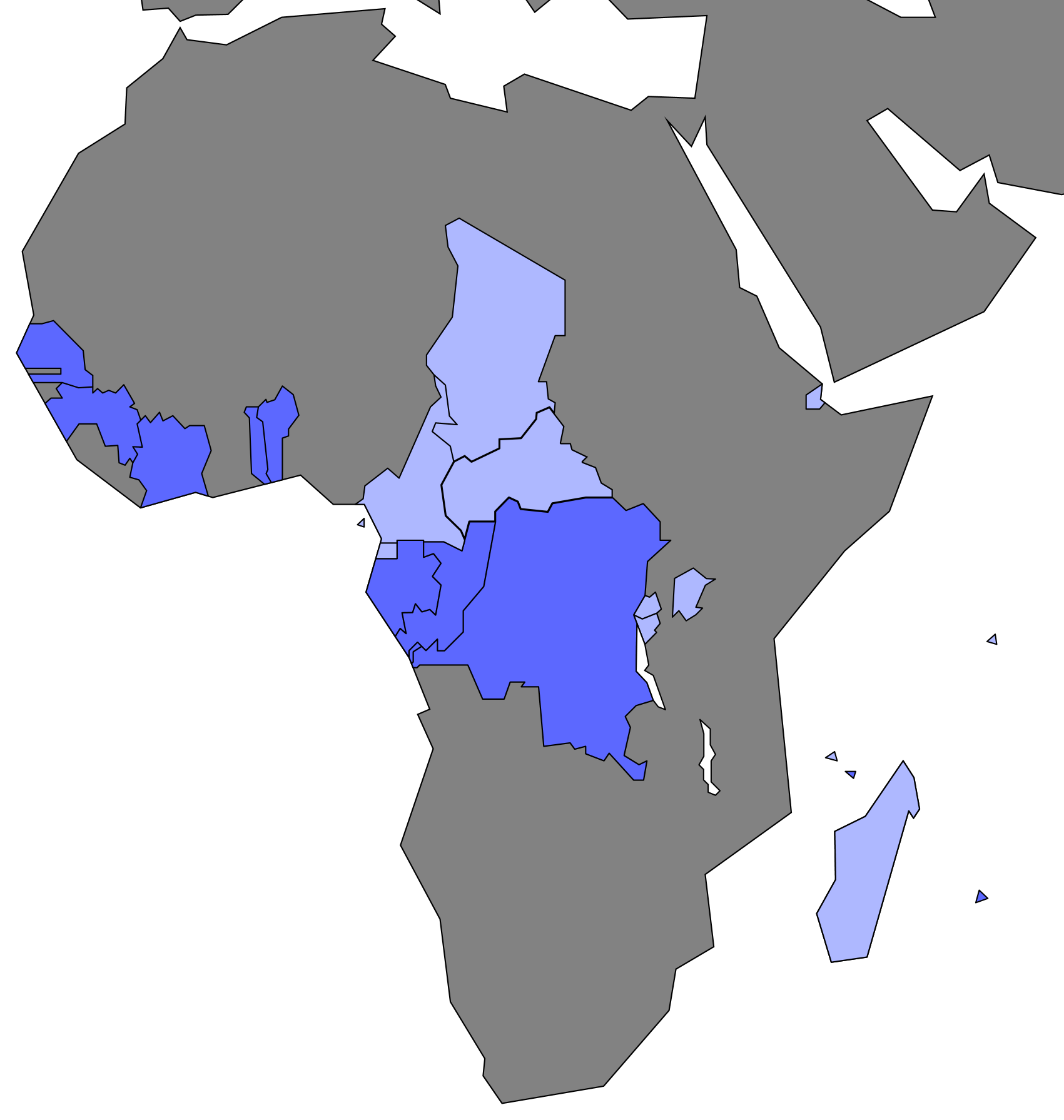
Africa is home to the largest number of Francophone countries in the world – a legacy of French and Belgian colonial history. French was introduced to many African regions during the 19th and 20th centuries, and it remains an important language across much of the continent.
Today, 21 African countries use French as an official language, out of a total of 29 countries where a significant part of the population speaks French. In other words, many French-speaking African countries officially use French, even though each also has its own indigenous languages.
French-speaking African nations are found mainly in West, Central, and East Africa. Here are some notable examples of Francophone countries in Africa:
A- West Africa
Senegal, Côte d’Ivoire (Ivory Coast), Mali, Burkina Faso, Niger, Benin, and Togo are among the countries in West Africa that officially use French. In these countries, French is used in government, schools, and media, serving as a common language uniting many ethnic groups. For instance, Senegal considers French its official language (with Wolof also widely used as a lingua franca locally), and the Ivory Coast likewise uses French to bridge communication among dozens of indigenous languages.
B- Central Africa
Democratic Republic of the Congo (DRC), Republic of the Congo, Cameroon, Gabon, Chad, and the Central African Republic are major French-speaking countries in Central Africa. Notably, the DRC (formerly Zaire) has a population of over 85 million, making it the most populous Francophone country in the world. French in the DRC and neighboring countries serves as a neutral lingua franca among diverse tribes. Cameroon is another interesting case – it has both French and English as official languages, reflecting a dual colonial heritage, and about 67% of Cameroonians speak French.
C- East Africa & Indian Ocean
Madagascar, Seychelles, Comoros, Djibouti, and Rwanda are examples in the East Africa/Indian Ocean region with French as an official language (often alongside others). Madagascar and Seychelles use both French and a local language (Malagasy in Madagascar, Seychellois Creole in Seychelles) as official languages. In Rwanda, French was historically official and remains one of four official languages (along with Kinyarwanda, English, and Swahili) due to the country’s colonial past and regional ties.
Francophone Africa is vast and diverse. In many of these countries, French is primarily a second language or administrative language rather than the mother tongue of most people. For example, in the DRC, only around 30 million out of 85 million people speak French fluently, but French is used in cities, schools, and official contexts. Similarly, a country like Burkina Faso has French as its official language, even though the majority of the population grows up speaking other languages (such as Mossi or Dioula) at home.
French plays a crucial role as a common language across ethnic groups in these African nations. A traveler visiting Francophone African countries will find that they can use French to navigate capitals like Dakar (Senegal) or Abidjan (Ivory Coast), even if dozens of local African languages are spoken among the populace. From the markets of Marrakesh to the beaches of Madagascar, the French language is a thread that ties together many different cultures in Africa.
In North African countries like Morocco, Algeria, and Tunisia, French is not an official language but remains prevalent in commerce and education due to France’s historical influence in the Maghreb. In fact, Africa now has the highest number of French speakers of any continent – about half of the world’s French-speaking population lives in Africa. This share is expected to grow even more. Demographic projections suggest that by 2050, there could be 700 million French speakers worldwide, with an estimated 80% in Africa.
For visitors or students of French, the African Francophone countries offer a remarkable range of experiences. You can hear French spoken in the bustling streets of Kinshasa or Abidjan, taste French-inspired pastries in Dakar, or explore the fusion of French and African cultures in cities like Yaoundé and Antananarivo. Each country has its own accent and local vocabulary, but a French speaker will have a valuable tool to connect with people across this region.
4. French-Speaking Countries in the Americas and Caribbean
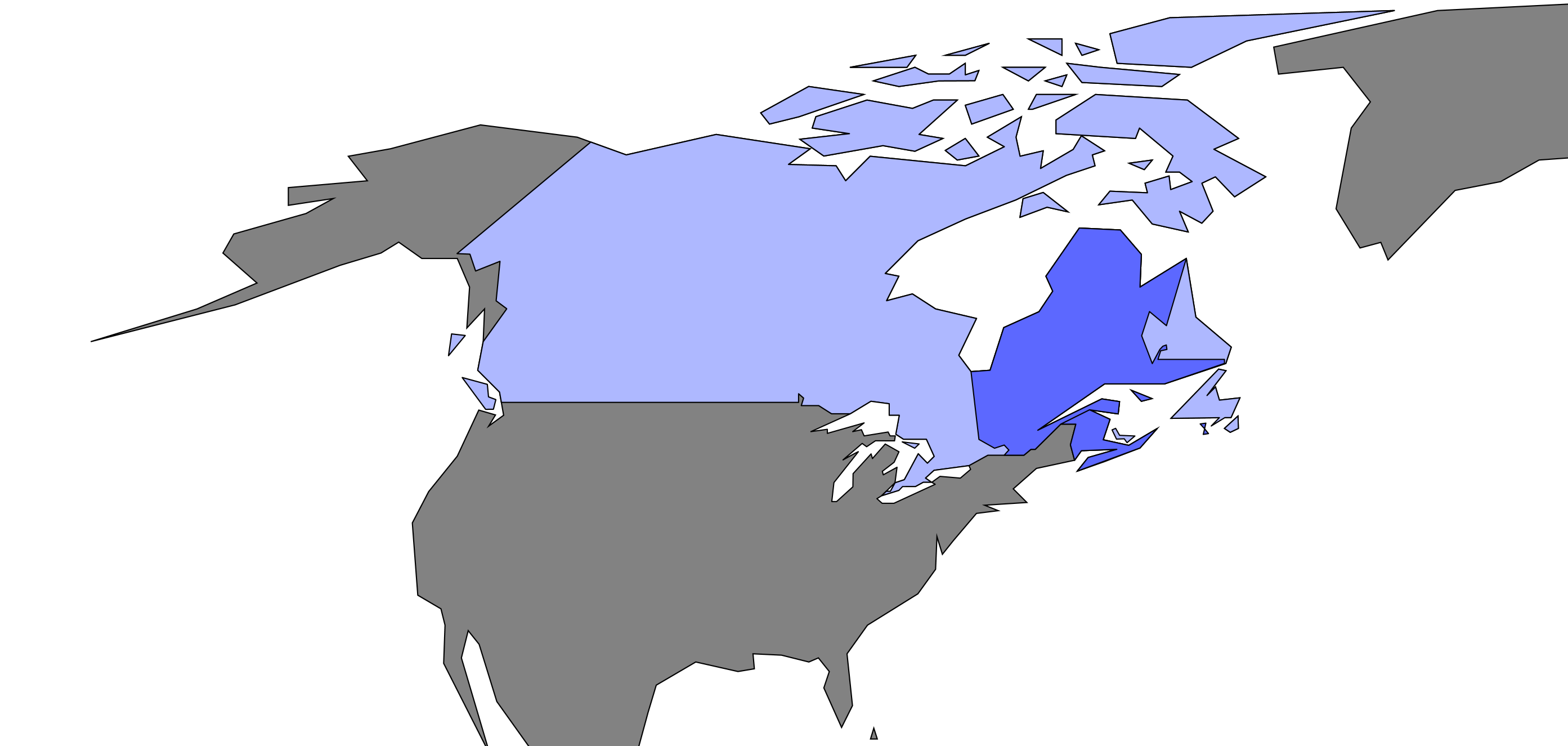
The most prominent Francophone country in the Americas is Canada, which is officially bilingual in English and French. Canada’s province of Québec is predominantly French-speaking, and provinces like New Brunswick (Nouveau-Brunswick) also have a large Francophone population. In total, around 7–8 million Canadians speak French as their first language, and French enjoys equal status with English in the federal government. Travelers to cities like Montreal or Quebec City will find themselves in vibrant French-speaking environments, even though English is commonly understood as well.
A- Haiti
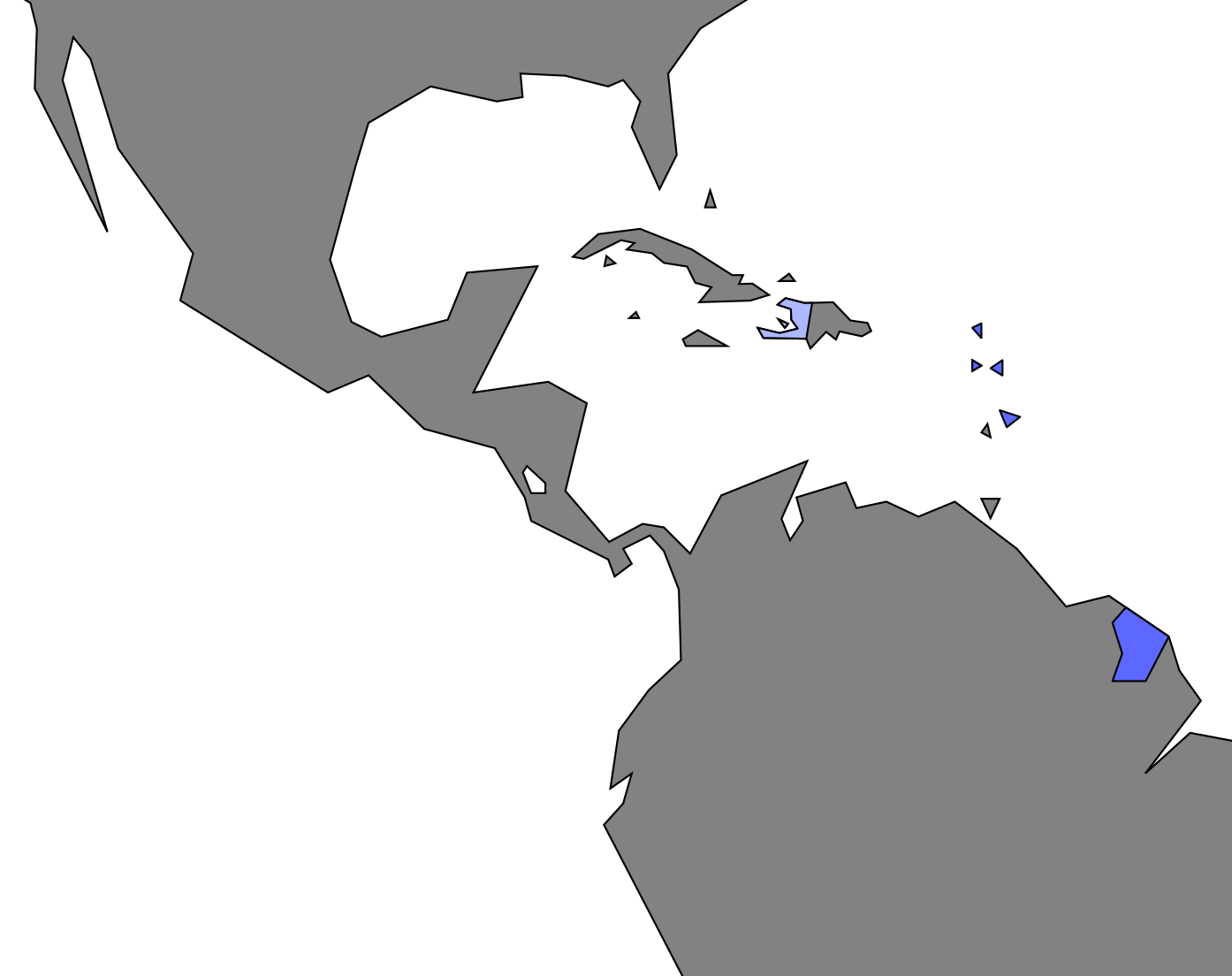
In the Caribbean, the standout French-speaking nation is Haiti. Haiti, located on the island of Hispaniola, has French as one of its official languages (alongside Haitian Creole). With about 11 million people, Haiti is the most populous French-speaking country in the Caribbean.
Haiti is one of only two independent countries in the Americas that have French as an official language – the other being Canada. This makes Haiti unique in the region, and both metropolitan French and Creole influence its French dialect. Visitors to Haiti or Haitian communities will notice that French is used in government, higher education, and the press, while Haitian Creole is the common language of daily life.
B- French Overseas Departments and Territories in the Americas
Besides Haiti, French overseas departments and territories contribute to the Francophone landscape of the Americas.
Guadeloupe and Martinique in the Caribbean are overseas regions of France where French is the official language, alongside local Creole dialects. These islands are politically part of France, so traveling there is like stepping into a little piece of Europe in the Caribbean – you’ll see French road signs, hear French on the radio, and spend Euros as currency.
French Guiana in South America is an overseas department of France and the only part of South America where French is an official language. As it is legally part of France, South America appears on the map of French-speaking regions through this unique territory on the continent’s northern coast. French Guiana blends French governance with South American geography.
Other French territories in the Americas include the French side of Saint-Martin (the Collectivity of Saint-Martin), Saint Barthélemy, and Saint-Pierre-et-Miquelon near Canada. These territories further demonstrate how the French language remains present across the Western Hemisphere.
5. French in Asia
When we shift our focus to Asia and Oceania, the Francophone footprint is smaller but still noteworthy. No independent country in Asia today has French as an official national language, but this wasn’t always the case. In the past, France had colonies in the Middle East and Southeast Asia, leaving a lingering French influence.
A- Lebanon
Lebanon has a strong Francophone element due to its historical ties with France. Although it is not officially a French-speaking country, French is widely taught and used in education, and many Lebanese speak French as a second language. It remains important in media, business, and daily life for many communities.
B- Vietnam
Vietnam was under French administration in the 19th–20th centuries. While French is no longer an official language, older generations may still speak it, and the Vietnamese language contains French loanwords. Vietnam is also a member of the Francophonie.
C- Laos
Laos, formerly part of French Indochina, retains elements of French influence. Although French is no longer an official national language, it remains present among older generations and in certain educational and diplomatic contexts. Laos is also a member of the Francophonie.
D- Cambodia
Cambodia, once under French administration, also retains aspects of French linguistic and cultural influence. French is no longer an official national language, but it continues to be used in some institutions and among older speakers. Cambodia is a member of the Francophonie.
E- India
In India, the Union Territory of Pondicherry (Puducherry) was formerly under French control. French remains an administrative language there at the local level, and the region maintains visible traces of its French heritage.
6. French in Oceania
A- Vanuatu
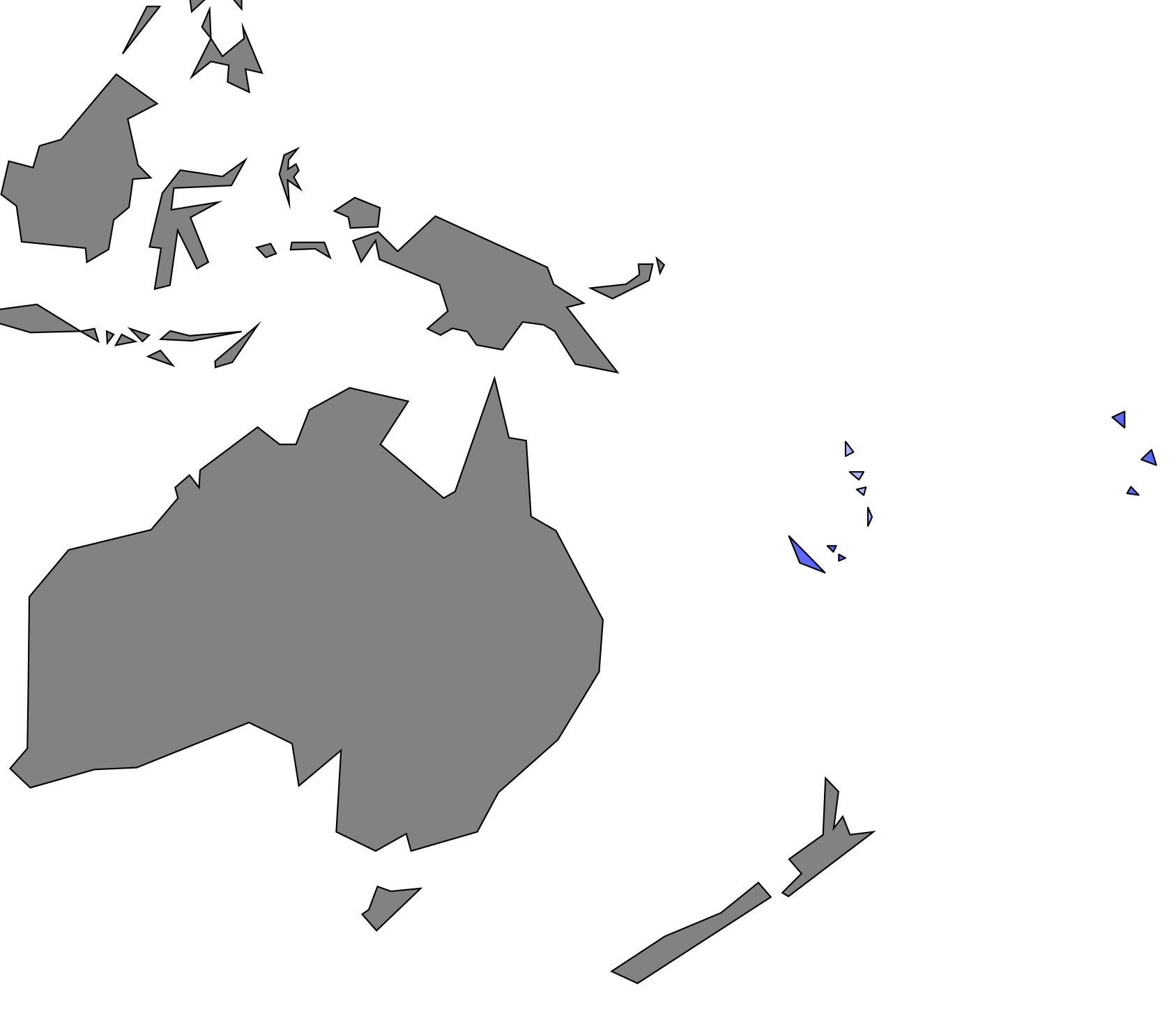
In Oceania, we do have a sovereign Francophone country: Vanuatu, a Pacific Island nation where French is an official language alongside English and Bislama. Formerly co-managed by Britain and France, Vanuatu remains one of the few places in the Asia-Pacific region where French is used in government offices and schools.
B- French Overseas Collectivities and Territories in the Pacific
France governs several territories in the Pacific where French is the official language of administration.
French Polynesia, New Caledonia, and Wallis and Futuna are French overseas collectivities in Oceania. Traveling to places like Tahiti in French Polynesia or Nouméa in New Caledonia means entering a Francophone environment on the other side of the world. Visitors will see the French flag, use the CFP franc or euro, and communicate in French while experiencing Polynesian or Melanesian cultural landscapes.
7. Conclusion: A Diverse Francophone World
From the cafes of Paris to the savannas of Senegal, from Montreal’s skyline to the islands of the South Pacific, the Francophone world is incredibly diverse. Each Francophone country has its own culture, history, and identity, yet all share the French language as a common thread. This makes French unique: it is truly a global language, connecting disparate regions and peoples. There are French-speaking countries in Europe, Africa, North America, the Caribbean, and even the South Pacific – a scope that few languages other than English can match.
For beginner learners of French, this opens up a world of opportunities. Whether you’re a traveler planning to tour French-speaking Africa or a student curious about which countries speak French and why, the Francophone world has something to teach and inspire you.
By understanding the scope of French worldwide, you gain insight into a language that bridges cultures across multiple continents. All of the French-speaking countries contribute to the global Francophone mosaic, making French truly a world language.